





How To Figure Out The Ghost In Phasmophobia
How to Figure Out the Ghost in Phasmophobia
One of the core mechanics in Phasmophobia is identifying which ghost you’re dealing with before attempting an exorcism. By listening carefully to ghost behavior patterns—particularly how they move in response to your actions—you can narrow down the ghost type and prepare accordingly. This guide will teach you the key identification methods based on movement speed and audio cues.
Identifying Ghosts by Movement Speed
The Dine Ghost
The Dine is one of the most identifiable ghosts through audio cues. When you remain still, the Dine’s footsteps will be noticeably slow and deliberate. However, once you begin sprinting or dancing in the game, the Dine’s movement speed increases dramatically. This dramatic speed change when you’re active is the telltale sign of a Dine ghost.
Other Ghost Identification Methods
Beyond the Dine, there are several other identification techniques you can use:
Wraith Ghosts
If the ghost does not step on the floor during its movement, you can be confident you’re dealing with a Wraith. This ghost type has a distinctive floating behavior that distinguishes it from ground-based ghosts.
Slow-Moving Ghosts
If the ghost exhibits very slow movement patterns overall, it’s likely a Deochine. This ghost type is characterized by its leisurely pace regardless of your actions.
Banshee Ghosts
A Banshee has a very specific hunting pattern: it will attack only one person in your group. If you notice the ghost is focusing on a single player during hunts, you’re dealing with a Banshee.
Practical Application: Testing Your Hypothesis
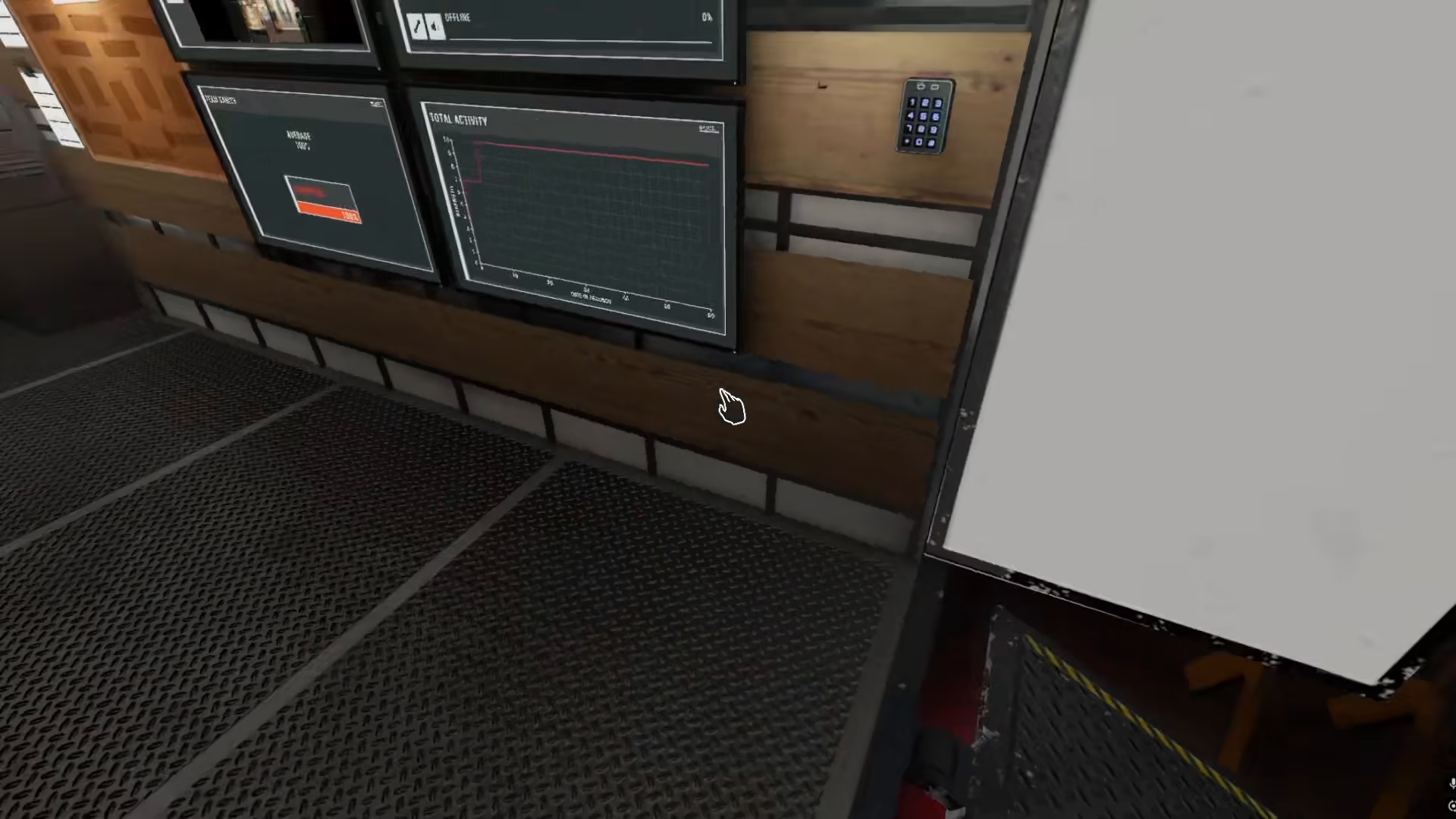
Once you’ve gathered enough evidence through observation, you can make your guess in the game. For example, if you’ve been hearing louder footsteps while sprinting, this is strong evidence for a Dine. Submit your answer in the ghost identification menu and confirm your findings.

Conclusion
Identifying ghosts in Phasmophobia comes down to careful observation and listening to environmental audio cues. By monitoring how ghosts respond to your movement—whether they speed up, slow down, float, or focus on specific targets—you’ll be able to accurately identify the ghost type and complete your investigation successfully.
Want to Support?
If you would like to help us continue making these guides – please consider joining our patreon here – https://www.patreon.com/c/JaviHeals
Alternatively – you can join our discord here – https://discord.gg/zD7Gjt6MHF