



How to Use Keys In Dead by Daylight
How to Use Keys in Dead by Daylight
Keys are essential items in Dead by Daylight that can turn the tide of a match in your favor. Whether you’re looking to escape a losing situation or help your teammates, understanding how keys work is crucial for any survivor player. This guide will break down all three key types and show you exactly how to use them effectively.
Understanding the Three Key Types
There are three different keys available in Dead by Daylight, each with unique capabilities and limitations. It’s important to understand the differences between them so you can choose the right tool for your situation.
Brown Key
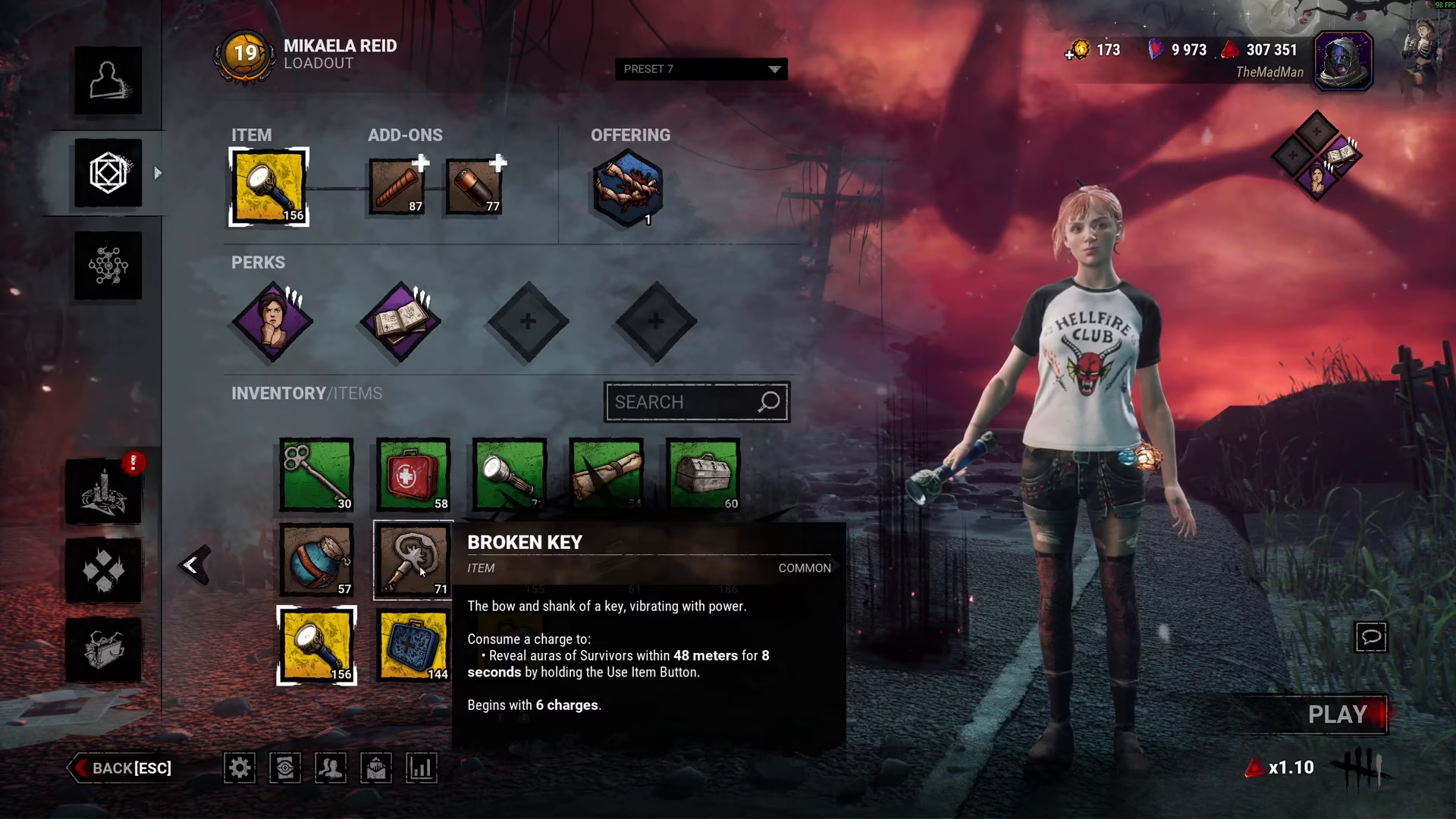
The brown key is the most basic key type. Its primary function is revealing the auras of survivors to you. This key has six charges total and can only be used for survivor detection — it cannot open chests or unlock the hatch.
Dull Key
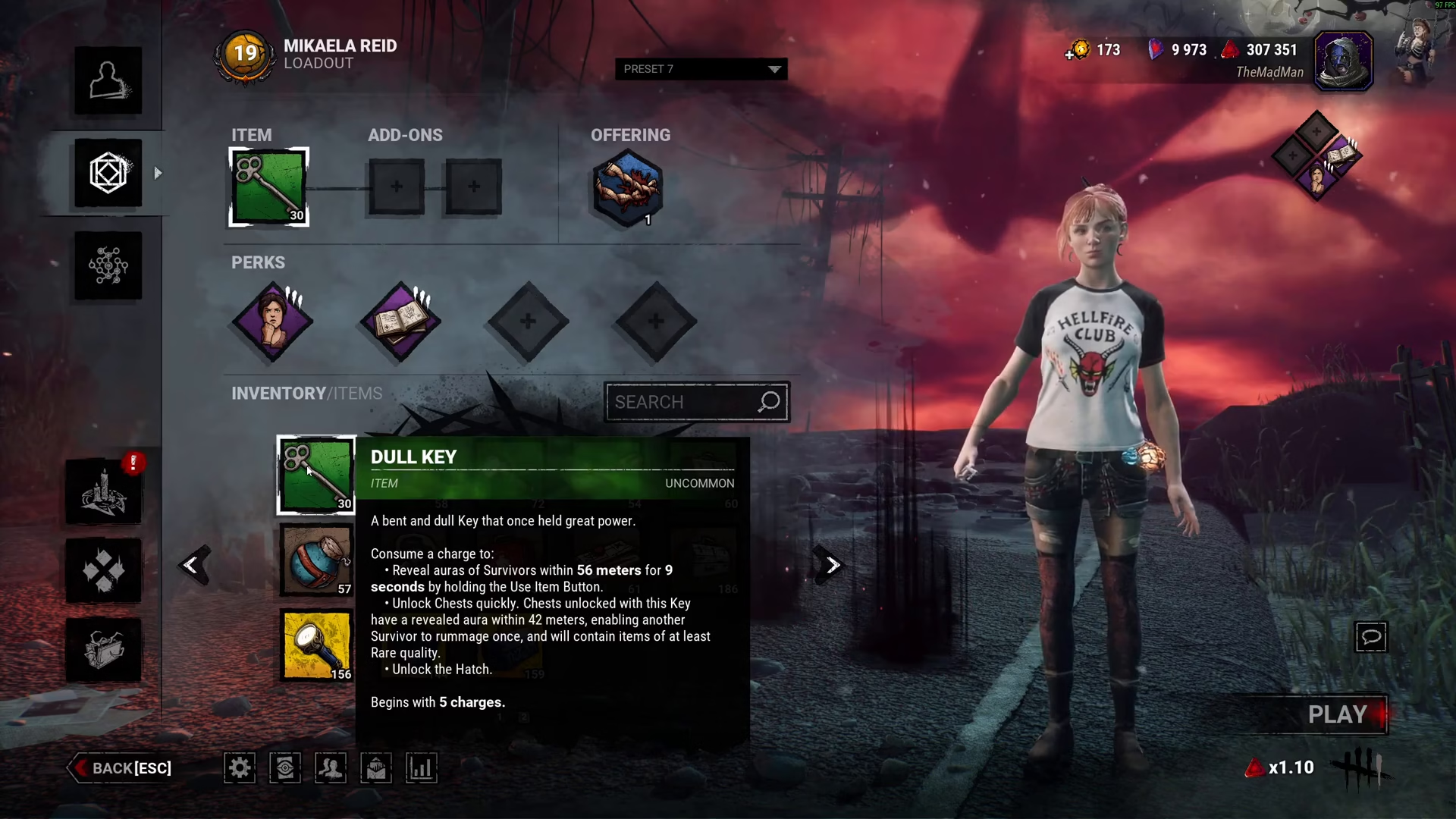
The dull key is a significant step up from the brown key in terms of versatility. It offers three distinct functions: revealing the auras of survivors, opening chests quicker than normal, and unlocking the hatch. This makes it a much more practical choice for most situations during a match.
Skeleton Key
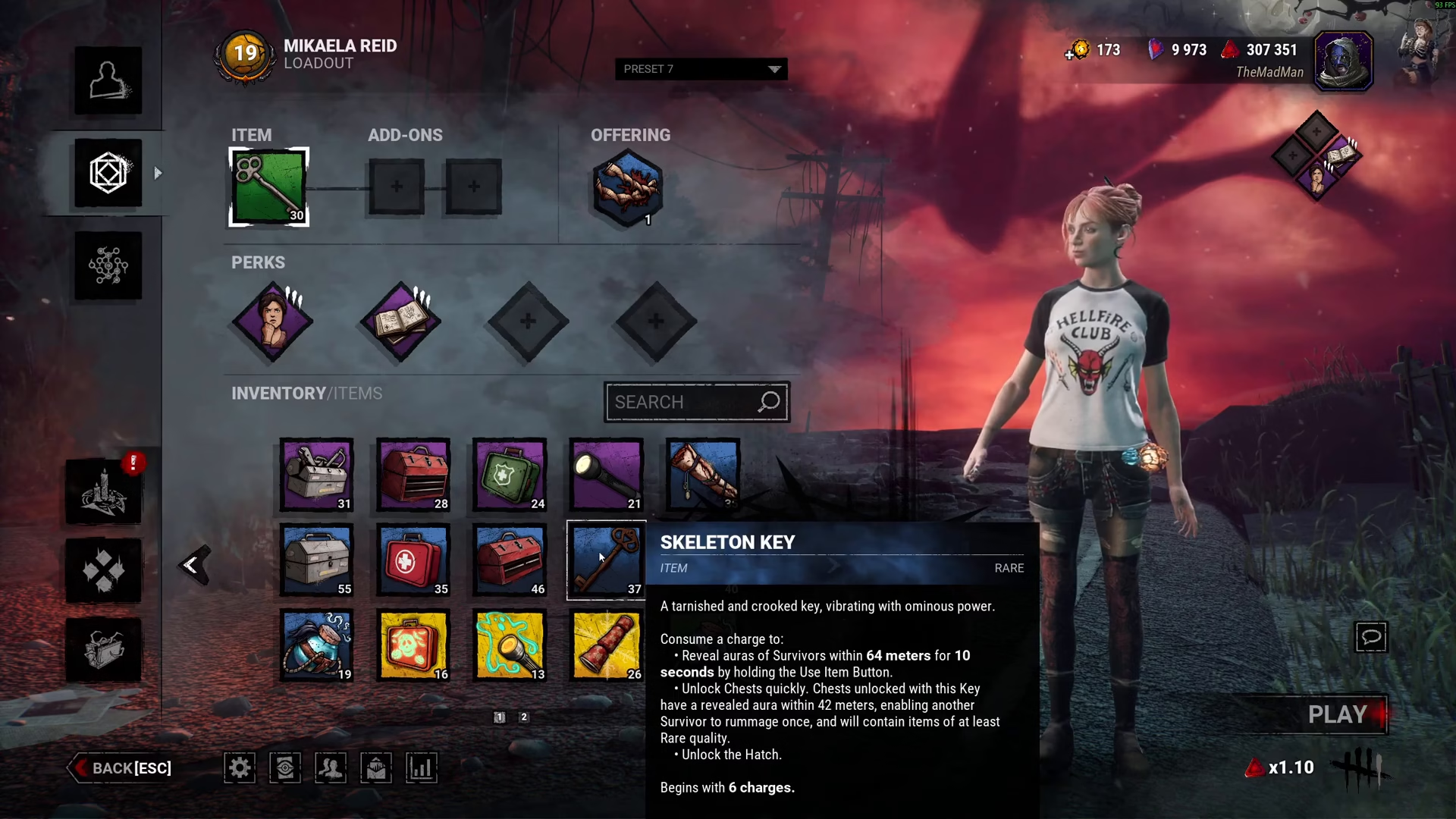
The skeleton key is the most powerful key available in Dead by Daylight. It performs all the same functions as the dull key — revealing survivor auras, opening chests faster, and unlocking the hatch — but it does everything for longer periods of time and at greater distances. This superior range and duration make it the best choice of the three keys.
Common Uses for Keys
Keys serve multiple purposes in Dead by Daylight, and experienced players use them strategically depending on the situation and their team’s needs.
Farming Items
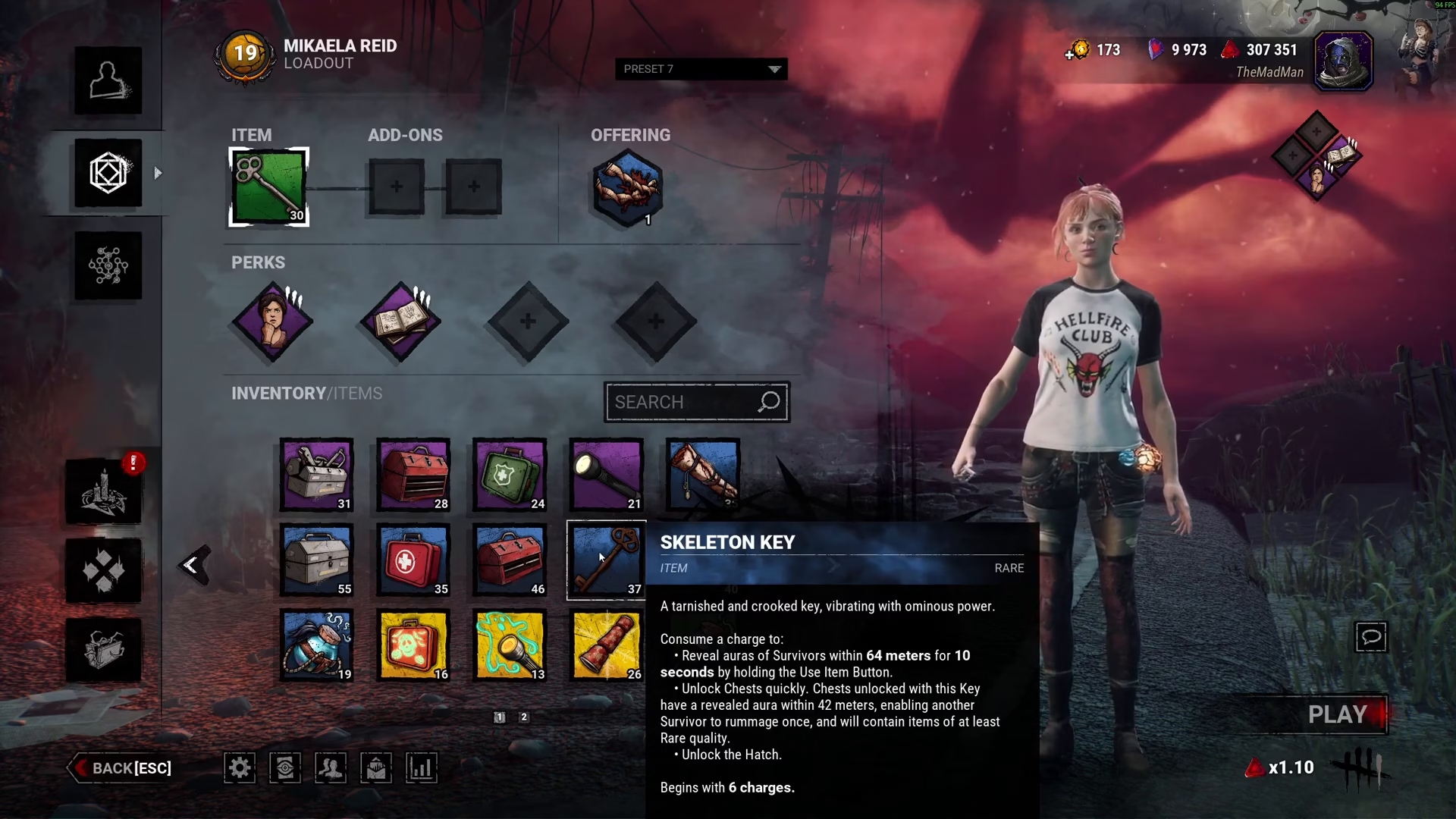
Many survivors use keys to farm items more efficiently. Because keys allow you to open chests faster than normal, they’re ideal for quickly gathering loot during a match. Some players will even run a key with the intention of opening chests for their teammates, essentially sharing the item-farming benefit with the entire team.
Clutch Escapes and Hatch Wins
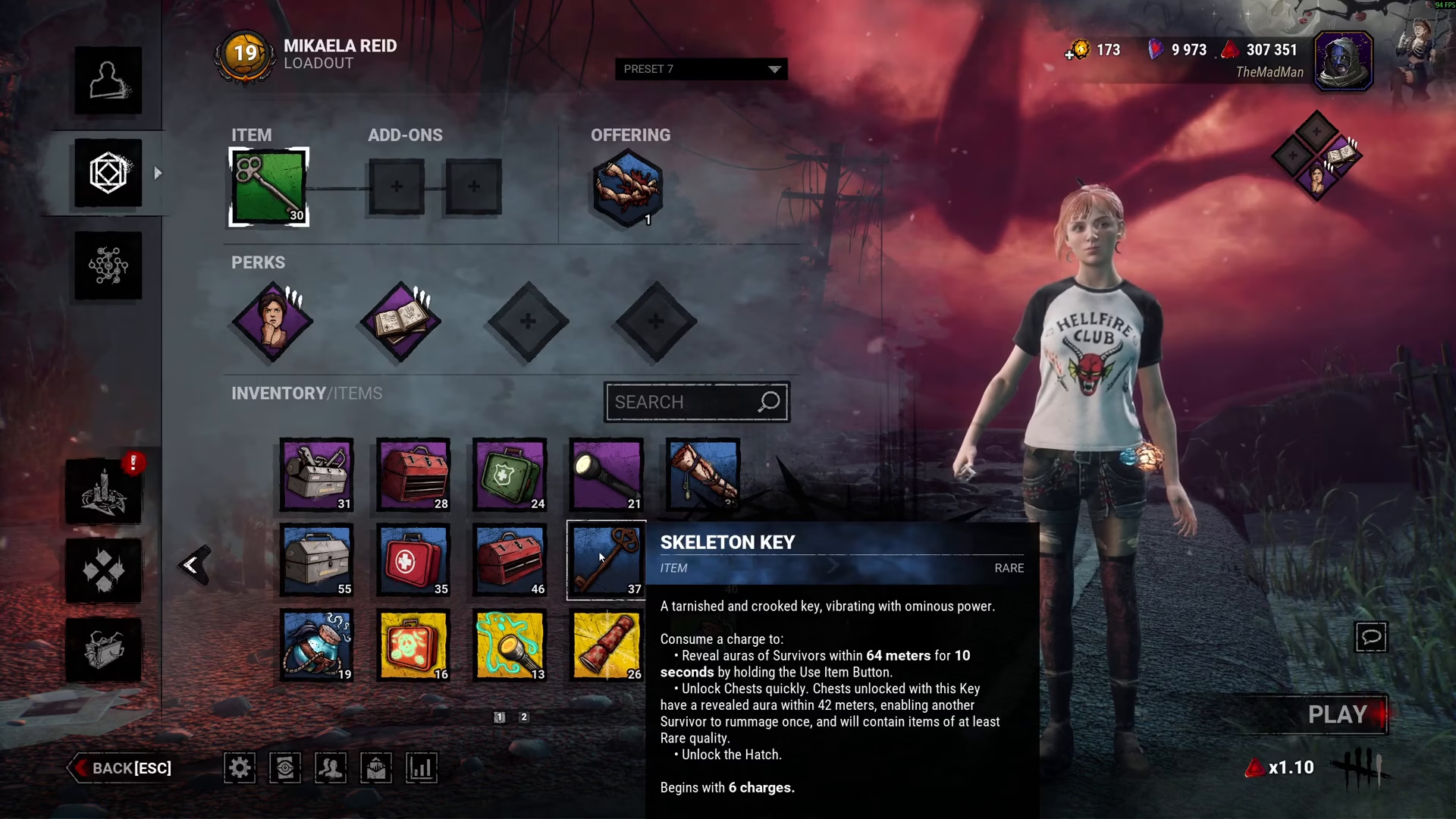
Outside of item farming, one of the primary uses for keys is securing a clutch win or escape through the hatch. Opening the hatch as a last resort can be the difference between a loss and a victory, especially in endgame situations where the killer is closing in.
How to Use a Key on the Hatch
Using a key on the hatch requires specific conditions to be met. Understanding these requirements will help you determine when the right moment to use your key has arrived.
Hatch Must Be Spawned and Closed
For a key to be useful on the hatch, the hatch must first be spawned into the map. Typically, the hatch appears closed because the killer has found it before you and shut it. Once the killer has closed the hatch, you can then use your key to unlock it and make your escape.
Unopened Spawned Hatch
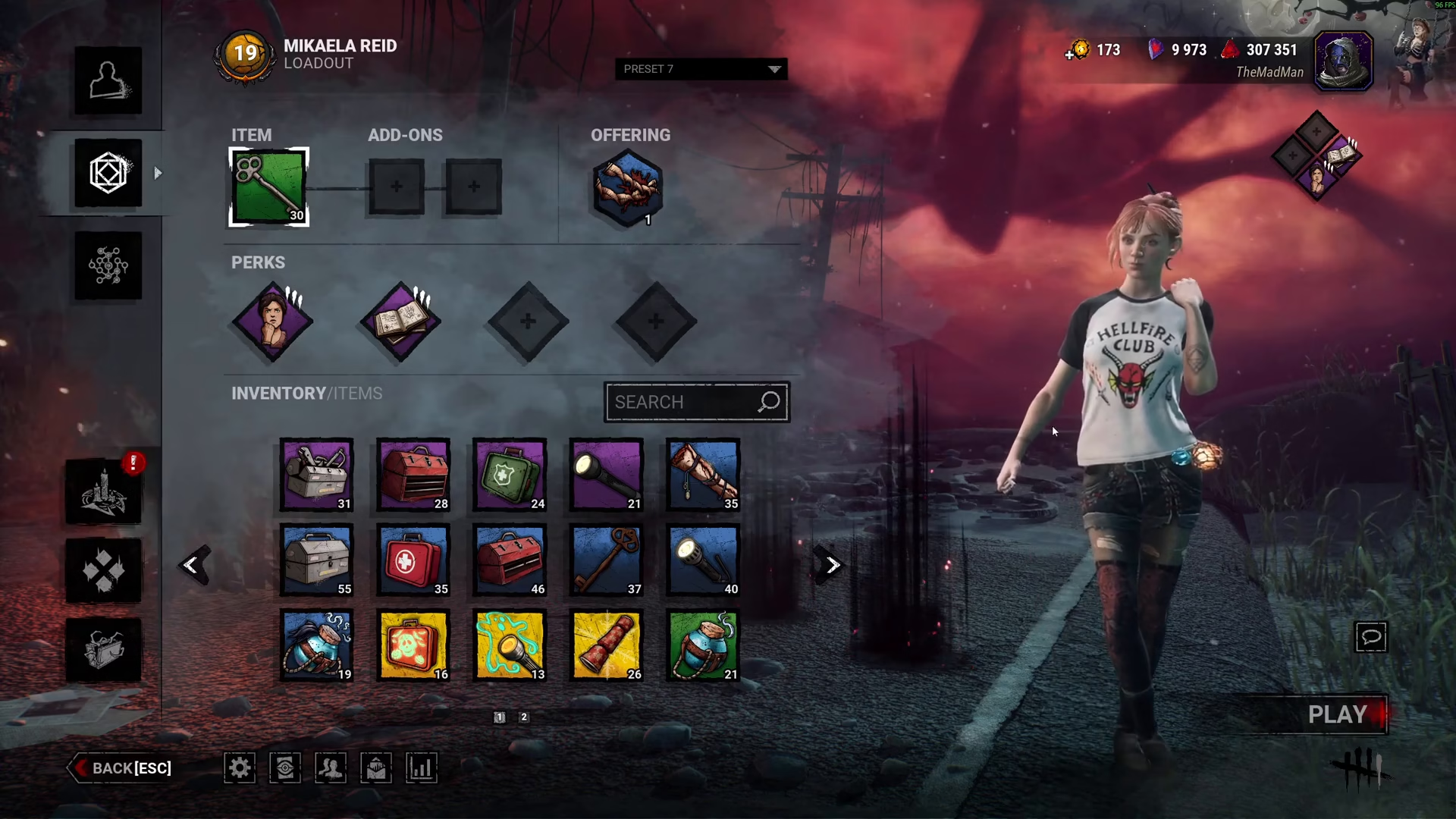
In some unique situations, you may find the hatch has spawned but has not yet been activated or interacted with by anyone. In these rare circumstances, you should still be able to use your key to unlock it immediately.
Endgame Strategy
If you’re struggling to escape and the killer has already closed the hatch, many survivors will attempt to search through chests in the endgame to try to find a key. This is a risky but sometimes necessary strategy when all other escape routes have been cut off.
Summary
Keys are versatile tools in Dead by Daylight that every survivor should know how to use effectively. Whether you choose the basic brown key for survivor detection, the balanced dull key for multiple functions, or the superior skeleton key for extended range and duration, understanding the mechanics will improve your survival rate. Practice locating the hatch, timing your key usage correctly, and you’ll be securing clutch escapes in no time.
— Want to Support? —
If you would like to help us continue making these guides – please consider joining our patreon here – https://www.patreon.com/c/JaviHeals
Alternatively – you can join our discord here – https://discord.gg/zD7Gjt6MHF