





How To Determine Ghost Type Without Evidence In Phasmophobia
How To Determine Ghost Type Without Evidence In Phasmophobia
Identifying the ghost type in Phasmophobia without relying on evidence can be challenging, but with the right techniques and knowledge, you can narrow down the possibilities significantly. This guide will teach you practical methods to determine which ghost you’re dealing with by observing its behavior and using strategic tools during your investigation.
Understanding Ghost Behavior Through Observation
One of the most effective ways to identify a ghost without evidence is to observe its behavioral patterns during your investigation. Different ghost types exhibit distinct characteristics that can help you make an educated guess about which ghost you’re facing. By paying close attention to how the ghost interacts with its environment, you can gather crucial information that narrows down your options significantly.
Using the Monkey Ball Method
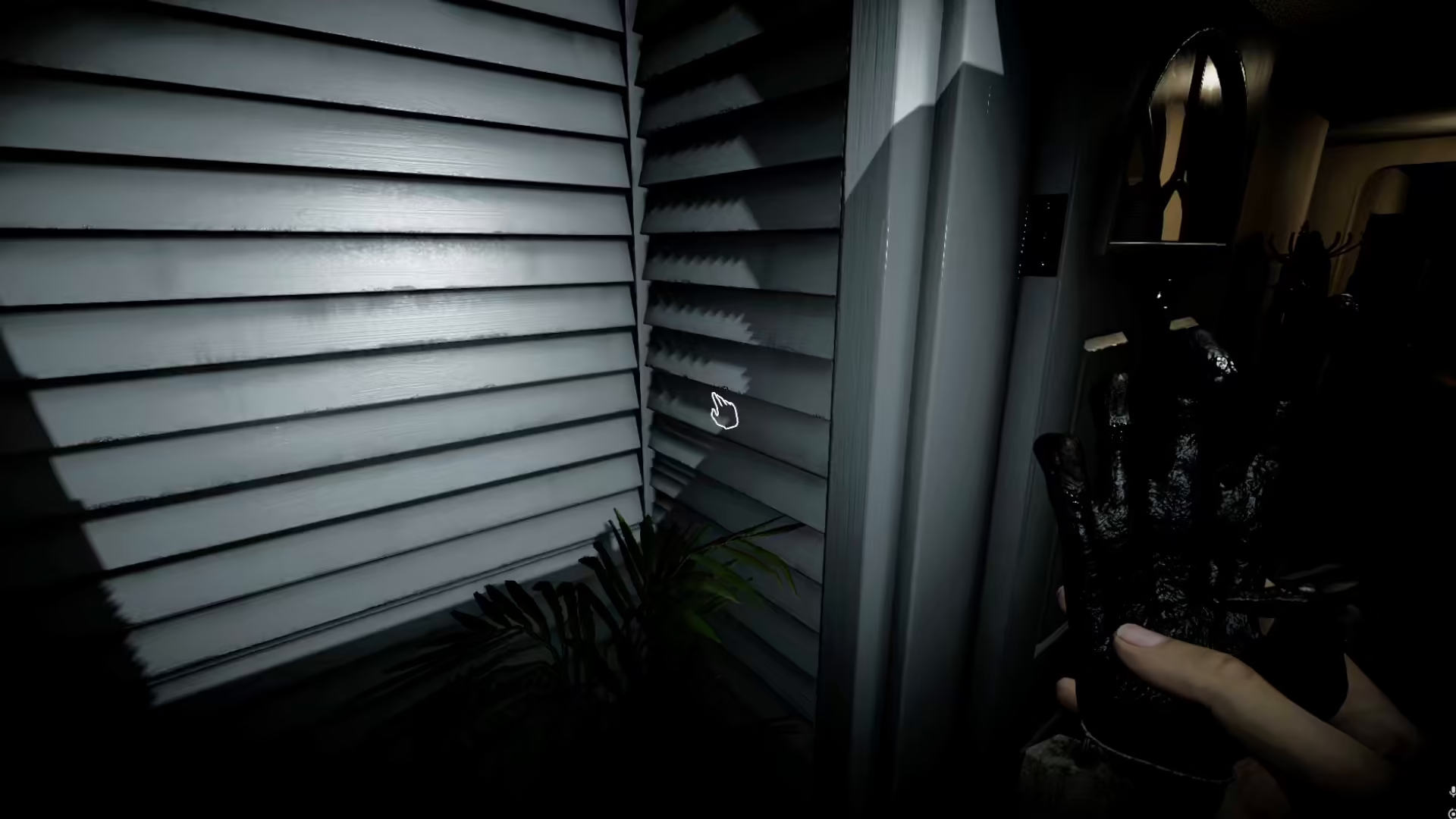
A practical strategy employed by experienced investigators is using a monkey ball to gather information about the ghost. When you deploy this tool, it provides valuable knowledge about which ghosts the entity cannot be based on its reactions and behavior patterns. This process of elimination is incredibly useful when you don’t have access to standard evidence.
Identifying the Pulse Aggressor
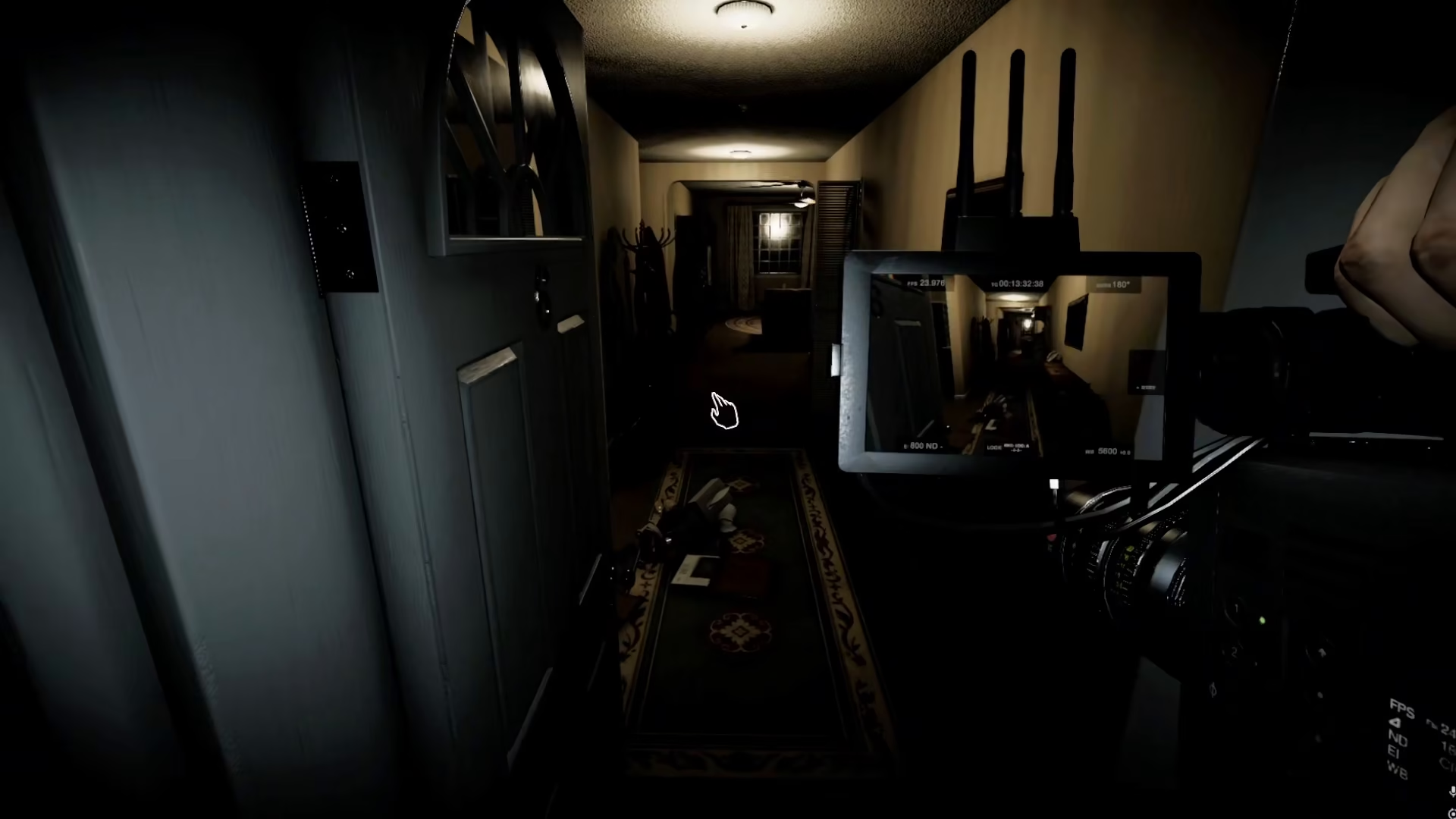
The Pulse Aggressor is one of the more aggressive ghost types you may encounter. This ghost is characterized by its tendency to throw items around the environment constantly. You’ll notice scattered items throughout the investigation area, even near doorways and other locations. If the ghost is actively throwing objects with abandon, the Pulse Aggressor is a strong candidate for identification.
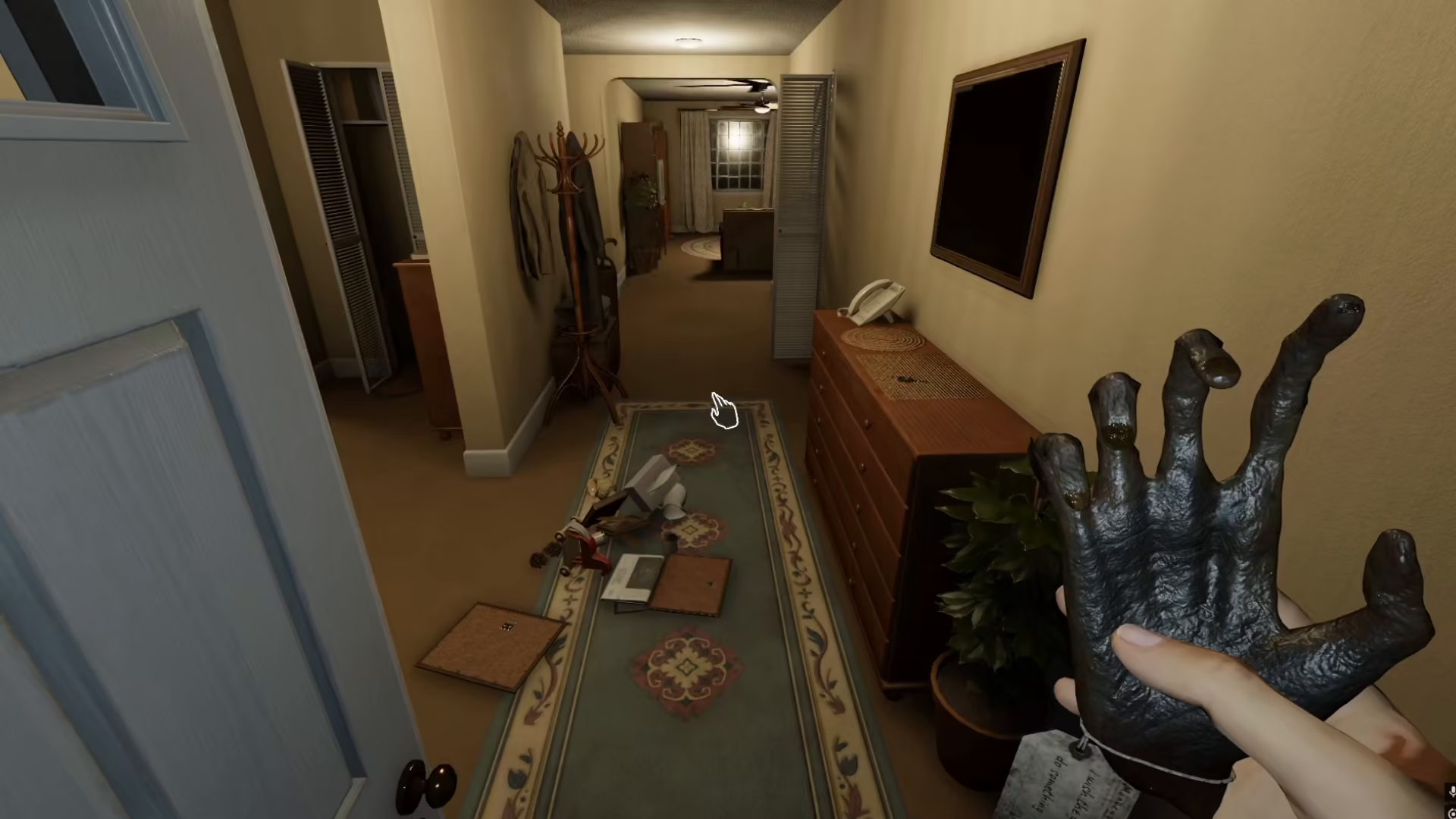
Additionally, the Pulse Aggressor has the ability to perform a pulse bomb attack if conditions are right. This devastating attack is another telltale sign that you’re dealing with this particular ghost type. Watch for sudden energy surges and widespread item displacement as confirmation.
Recognizing the Deogen
The Deogen presents a distinctly different behavioral pattern compared to other ghosts. This ghost type moves noticeably slowly compared to other entities you may encounter in Phasmophobia. If you observe the ghost moving at a leisurely pace rather than the typical aggressive speed, you can reasonably assume you’re dealing with a Deogen.
Identifying the Raiju
The Raiju has one key behavioral trait that makes it relatively easy to identify: it will not step into salt. This is a crucial distinguishing factor you can use during your investigation. If you place salt barriers around your investigation area and notice the ghost actively avoids crossing these salt lines, you’ve likely identified a Raiju.
Creating Your Ghost Identification Cheat Sheet
To effectively determine ghost types without evidence, it’s helpful to memorize or create a reference cheat sheet of ghost behaviors. Keep these key characteristics in mind during your investigations:
Pulse Aggressor: Throws items constantly and can perform pulse bomb attacks
Deogen: Moves slowly compared to other ghost types
Raiju: Will not step into salt barriers
Conclusion
Determining the ghost type without evidence in Phasmophobia requires careful observation of behavioral patterns and strategic use of investigation tools like the monkey ball. By understanding the unique characteristics of different ghosts—such as the Pulse Aggressor’s item-throwing behavior, the Deogen’s slow movement, and the Raiju’s avoidance of salt—you can successfully identify your target even without traditional evidence. Practice these techniques on multiple investigations to develop your intuition and become a more skilled paranormal investigator.
Want to Support?
If you would like to help us continue making these guides – please consider joining our patreon here – https://www.patreon.com/c/JaviHeals
Alternatively – you can join our discord here – https://discord.gg/zD7Gjt6MHF