






How To Test For Each Ghost With No Evidence In Phasmophobia
How To Test For Each Ghost With No Evidence In Phasmophobia
Phasmophobia features multiple ghost types, each with unique behavioral patterns that can help you identify them without relying solely on evidence. This guide breaks down the testing methods and behavioral indicators for every ghost in the game, allowing you to identify your target with confidence.
Introduction to Ghost Testing Methods
While evidence is a key component of ghost identification in Phasmophobia, there are specific behavioral “cheat codes” you can follow to identify ghosts reliably. Each ghost type exhibits distinct characteristics during hunts, events, and interactions with the environment. By understanding these patterns, you can narrow down the ghost type without collecting all evidence.
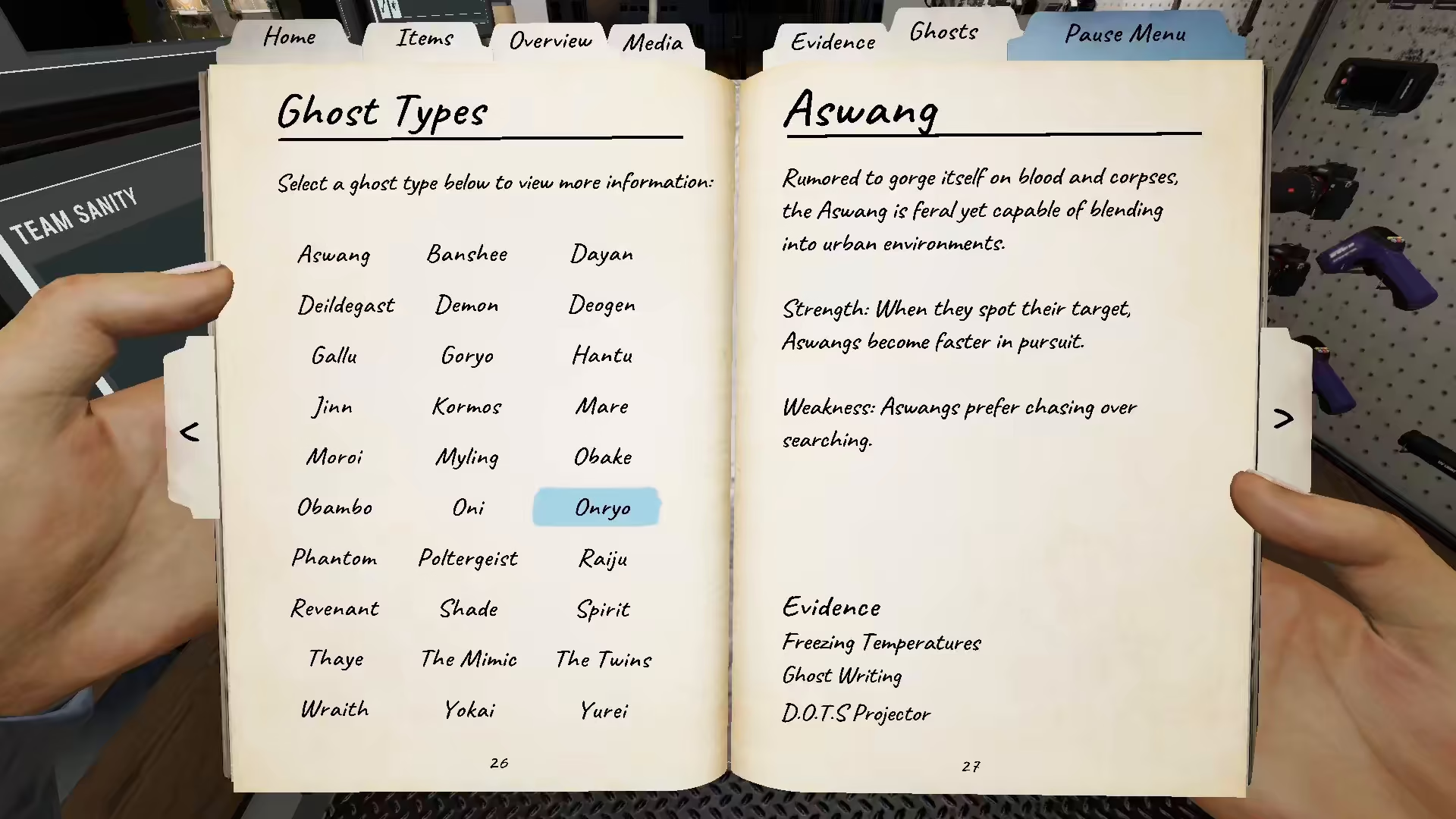
Ghost Identification Guide
Banshee
Banshee is a focused hunter that fixates on a single person. This ghost will only target one individual, ignoring all other players. The Banshee will concentrate exclusively on her chosen target during hunts and ghost events, showing no interest in anyone else, even if they stand directly in front of her.
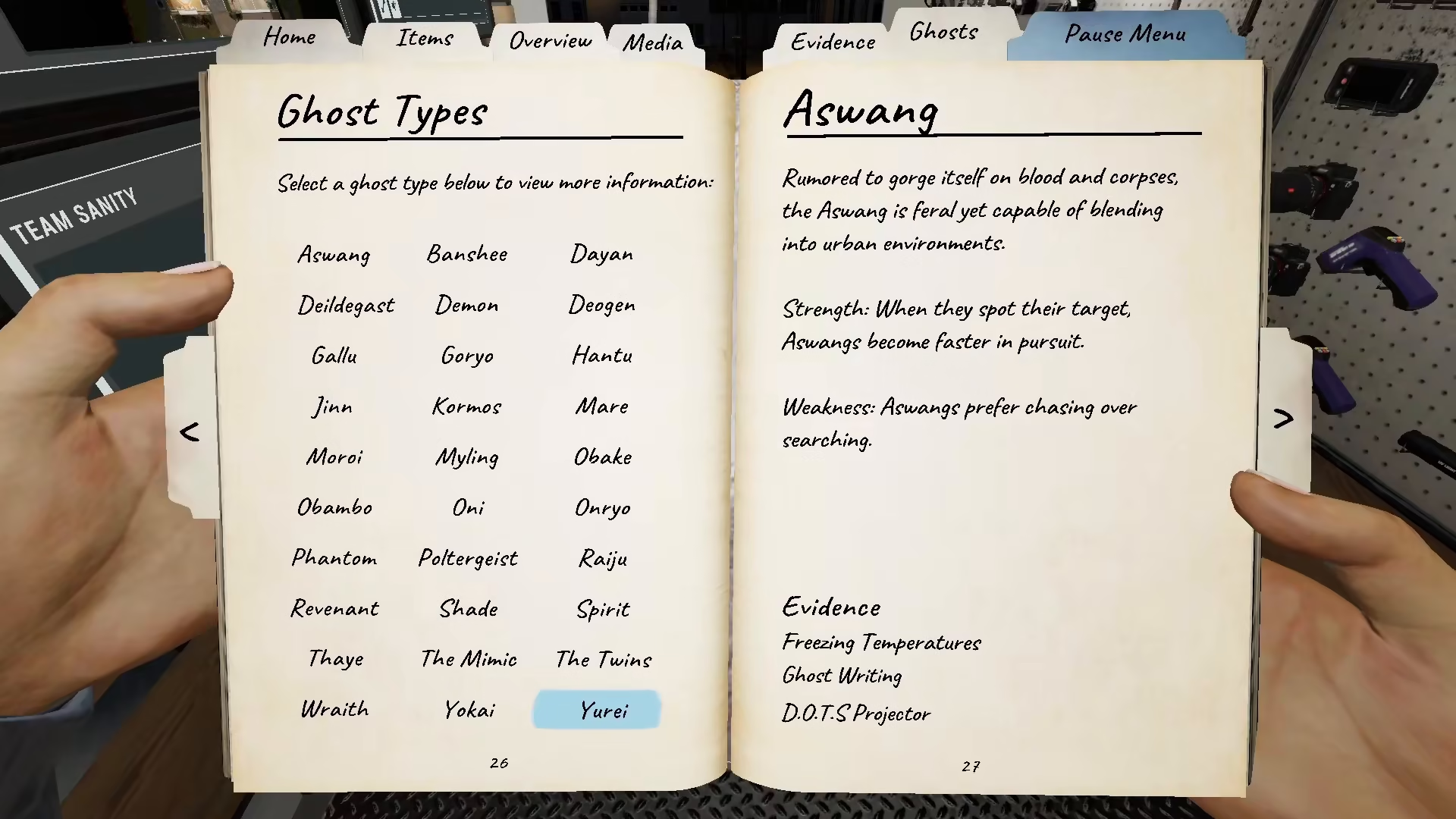
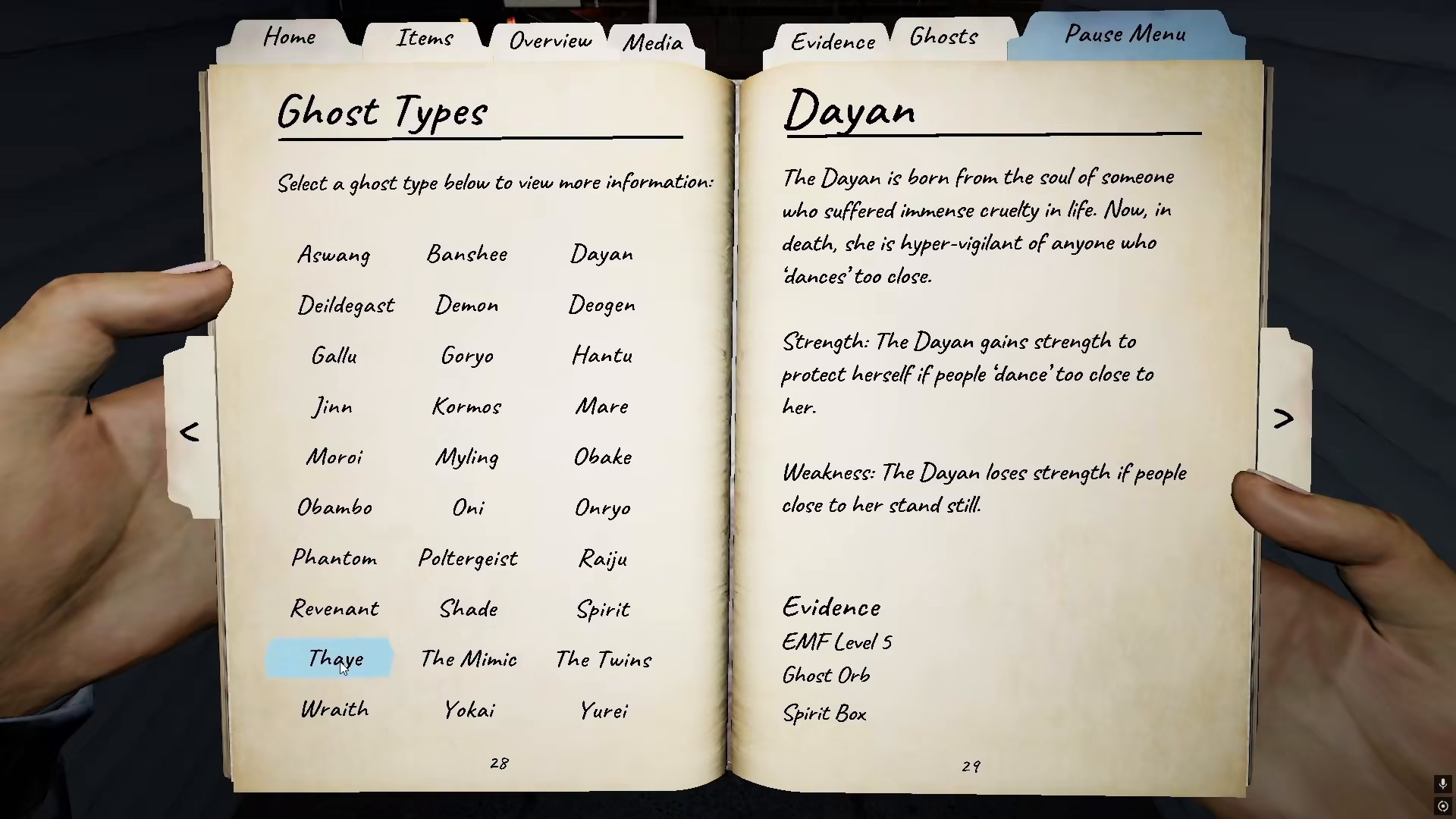
Dine
Dine responds negatively to movement around him. If you dance or sprint in the Dine’s presence, he becomes aggressive and moves faster. Conversely, standing still causes Dine to move slower. You can test for Dine by sprinting in short bursts near his location and observing his acceleration.
Demon
Demon is one of the fastest-hunting ghosts in Phasmophobia. As soon as you open a door in the demon’s area, he will immediately initiate a hunt. This aggressive hunting behavior is a clear indicator of a Demon presence.
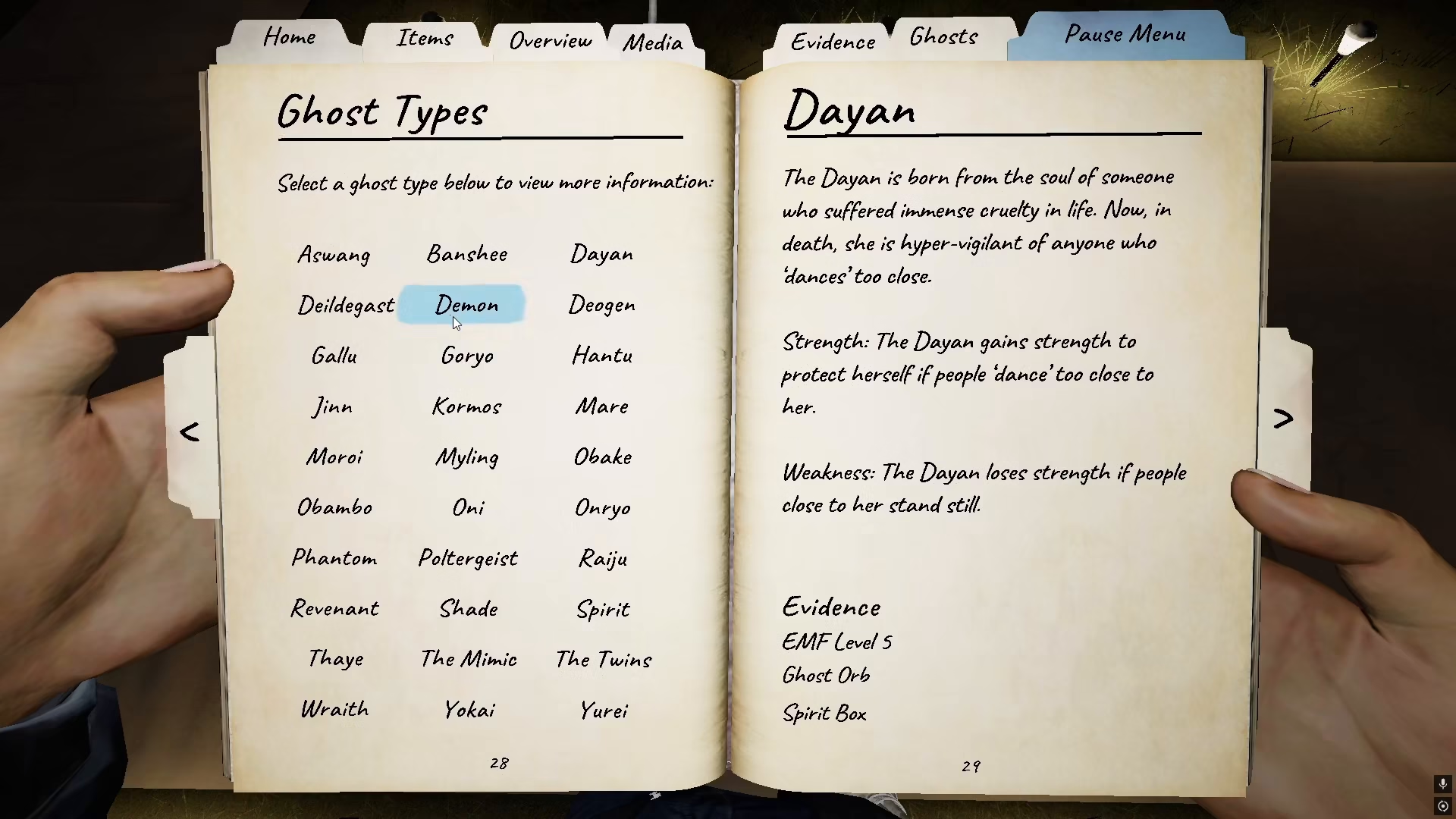
Deogen
Deogen moves exceptionally slowly, displaying a distinctly sluggish walking pace. If you observe a ghost moving with an abnormally slow gait compared to other ghost types, you likely have a Deogen.
Gin
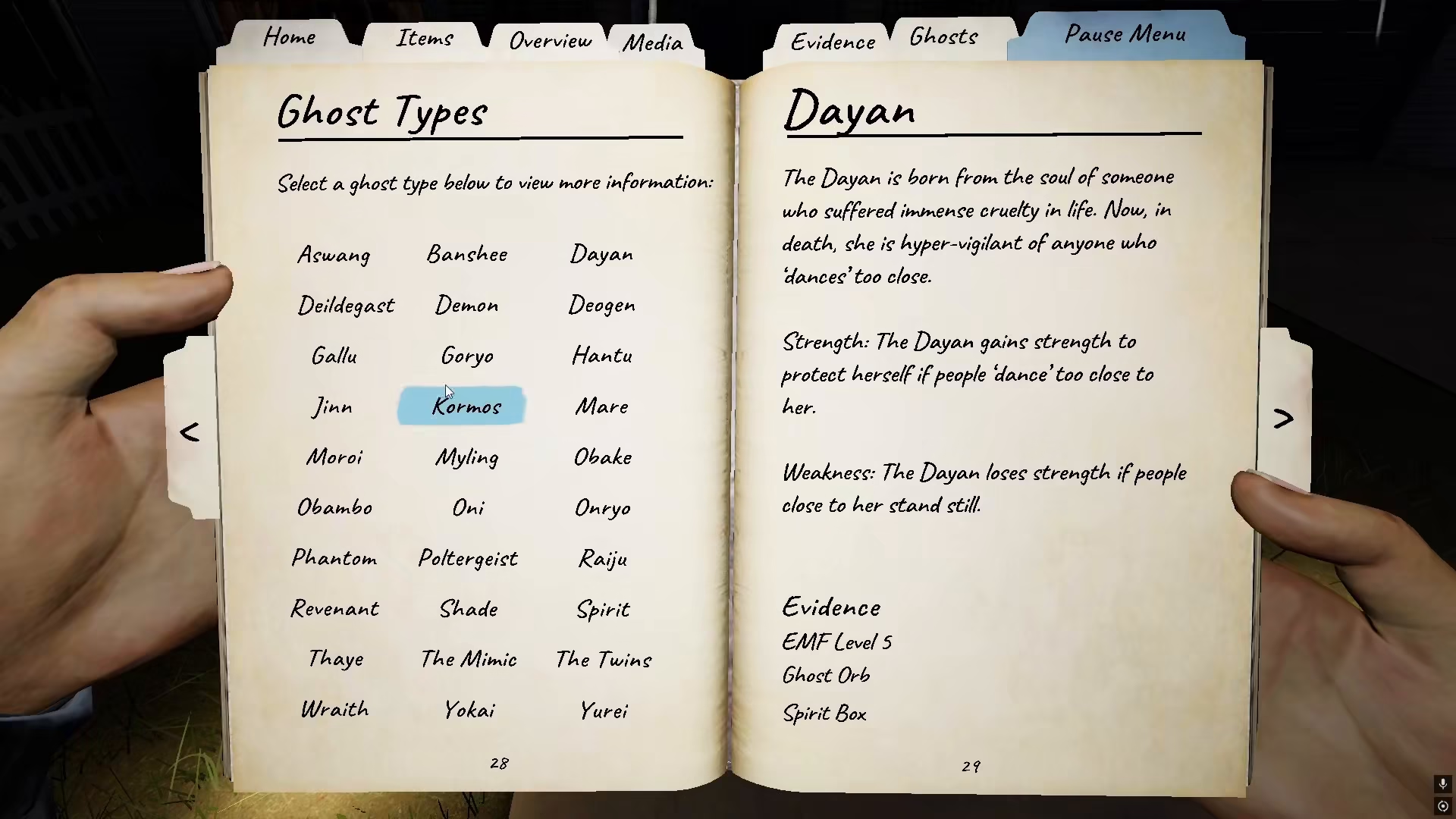
Gin exhibits speed that varies based on proximity. When you are far away from Gin, he moves quickly. However, when Gin gets close to you, his speed dramatically decreases, making him much slower at close range.
Hunter
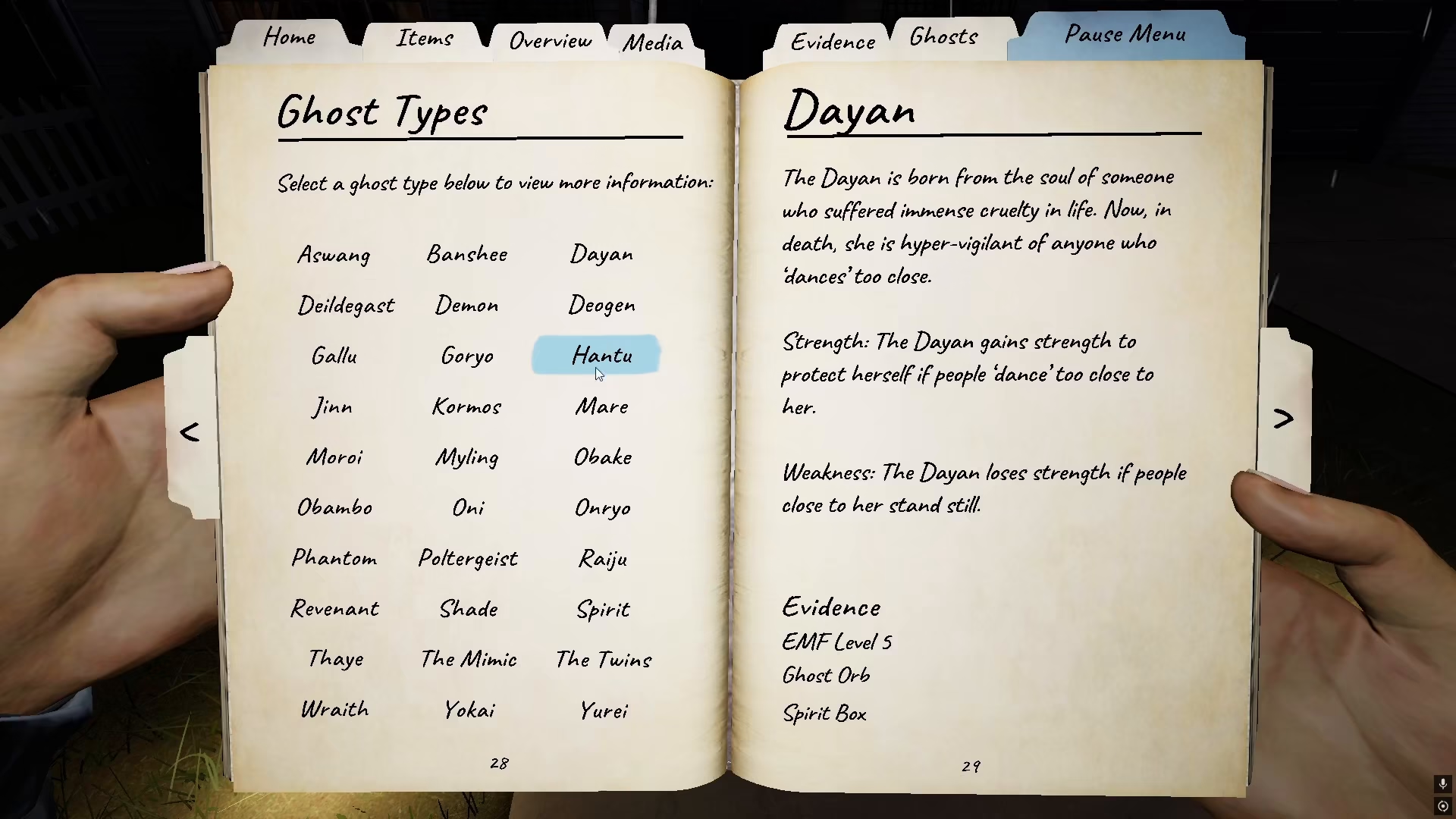
Hunter always maintains freezing temperatures consistently throughout the location. Hunter moves fast specifically within his ghost room where the freezing temperatures are strongest. Testing for freezing temps is a reliable way to confirm a Hunter.
Mare
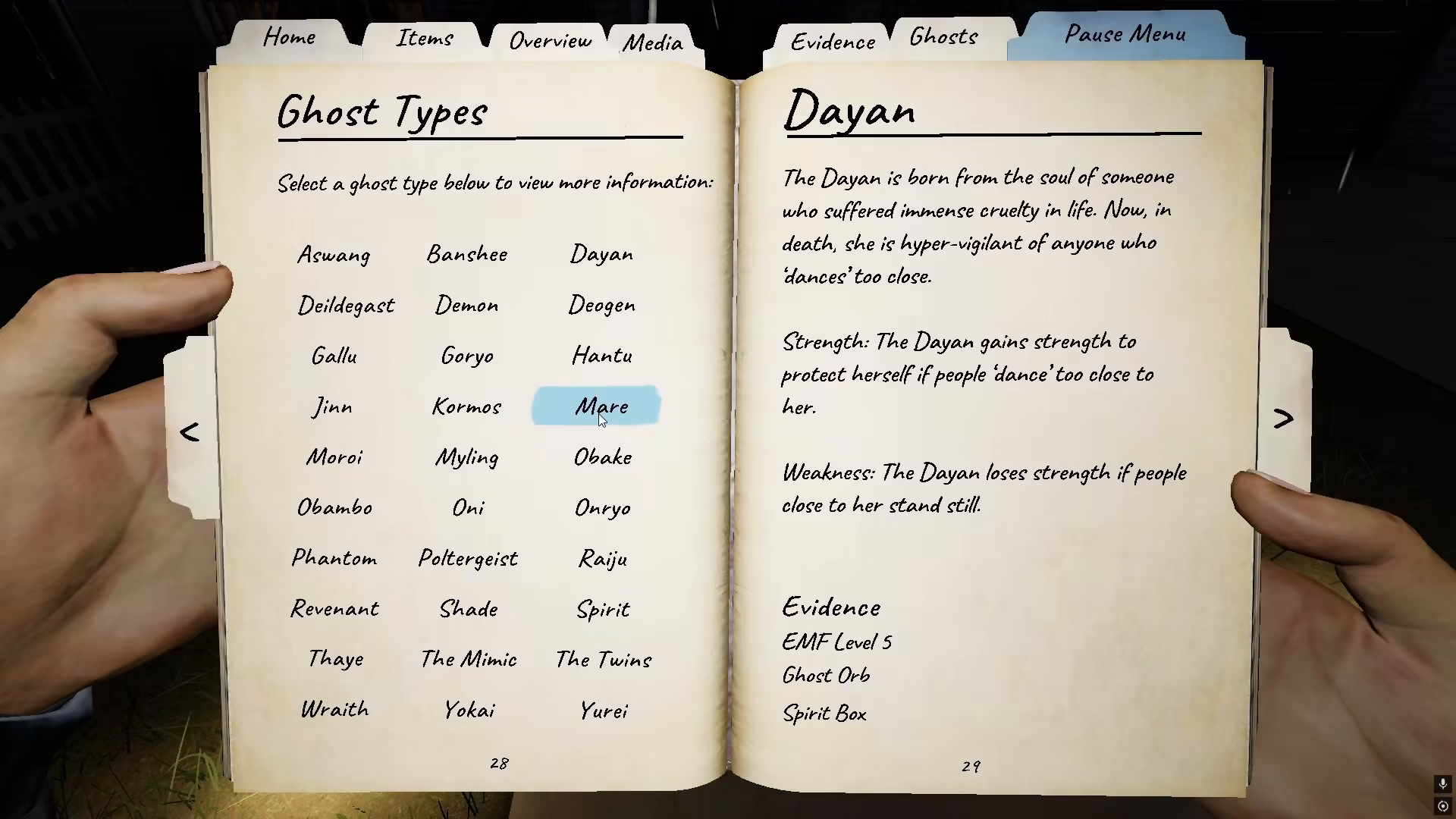
Mare despises light and responds aggressively to illumination. When you turn on lights in the ghost’s area, Mare will immediately turn them off. Notably, Mare will never turn on lights himself. This behavior is a key identifier for this ghost type.
Myling
Myling is identifiable by his distinctly light footsteps. When Myling walks, his steps are noticeably quieter and softer than other ghosts, making the audio signature a reliable way to distinguish him from other ghost types.
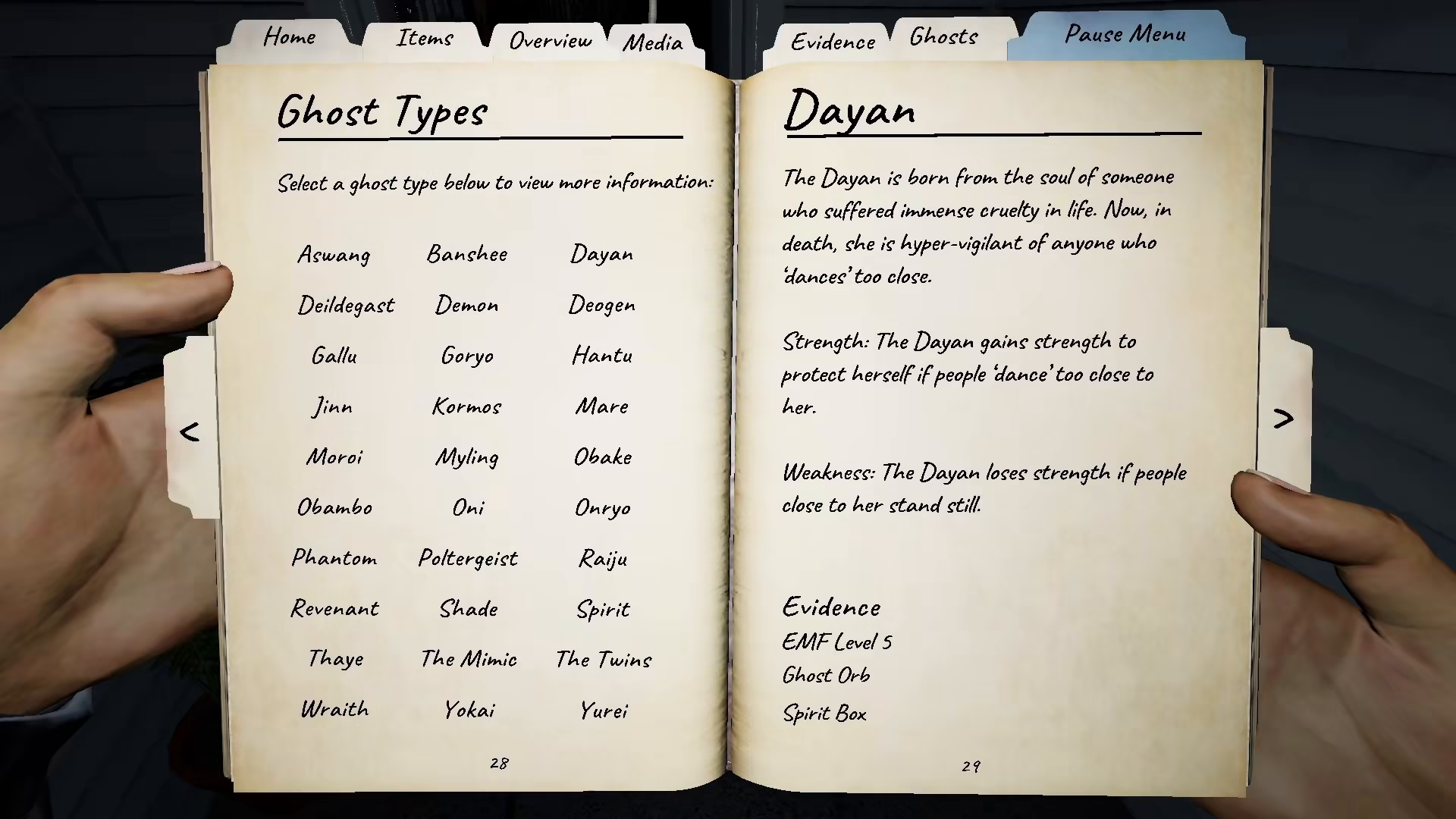
Oni
Oni is highly visible and exhibits strong physical presence throughout your investigation. Oni manifests clearly compared to more elusive ghosts like Phantom.
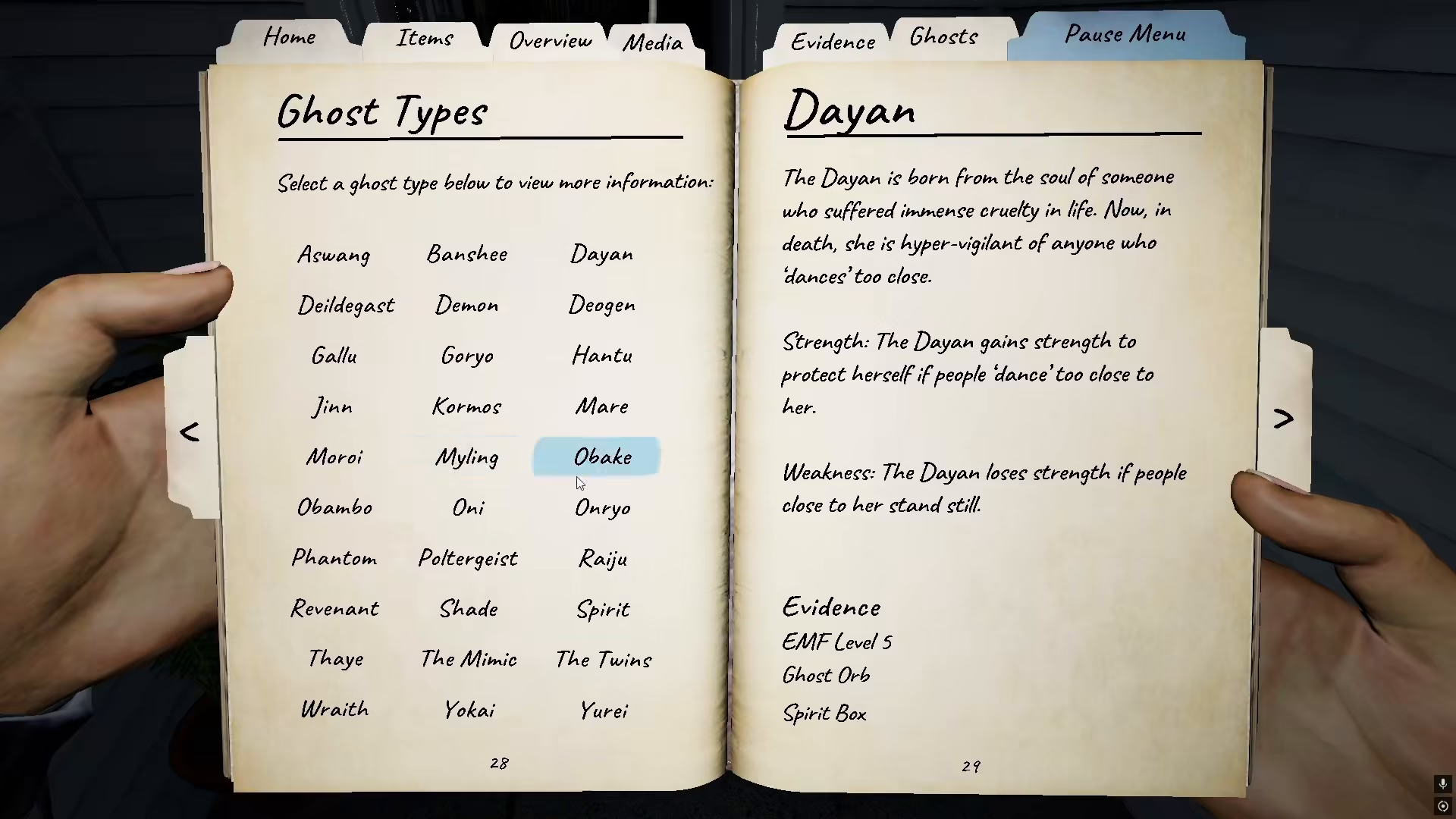
Phantom
Phantom is much less visible than other ghosts. This ghost type exhibits reduced visibility during investigations, making visual identification challenging compared to more obviously manifesting ghosts.
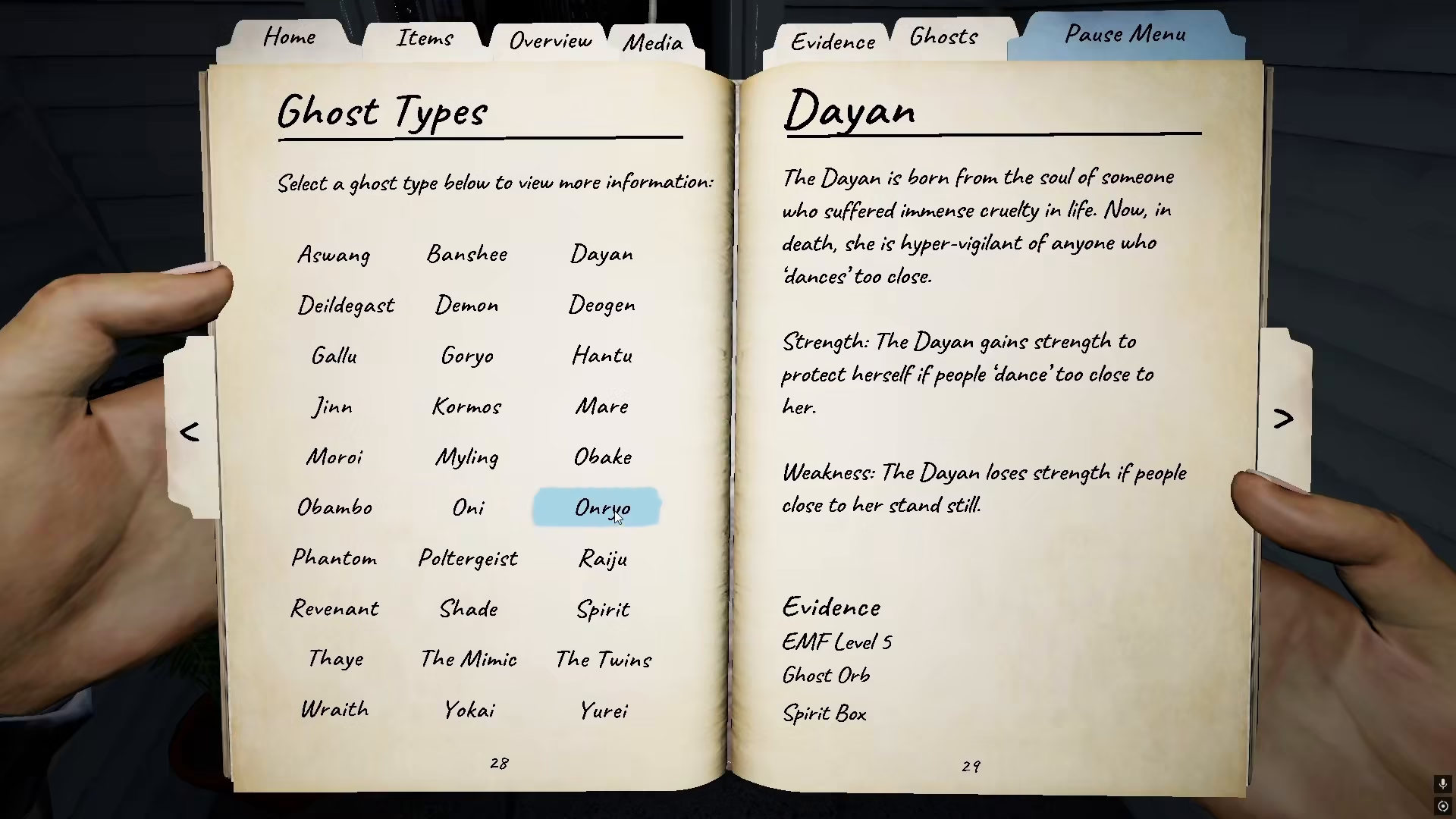
Poltergeist
Poltergeist, also referred to as “All tick-wiss,” throws and moves many objects around the location. Additionally, Poltergeist performs “party bomb” events, which are distinctive group disturbances involving multiple objects.
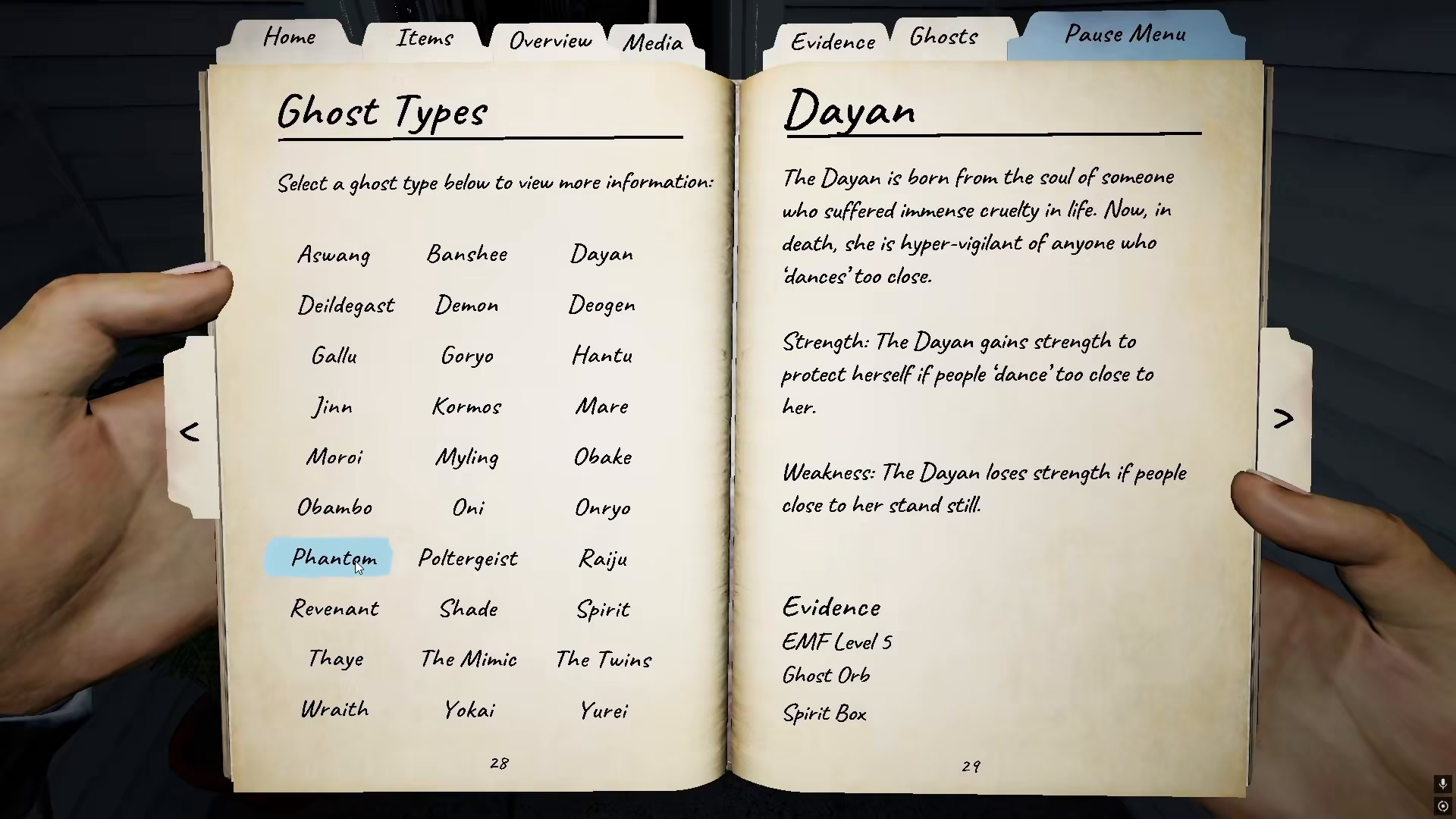
Raiji
Raiji has a unique characteristic: he only appears on the dots projector when you are inside the van, not when you are in the same house as him. This specific behavior is how you can reliably test for and identify a Raiji.
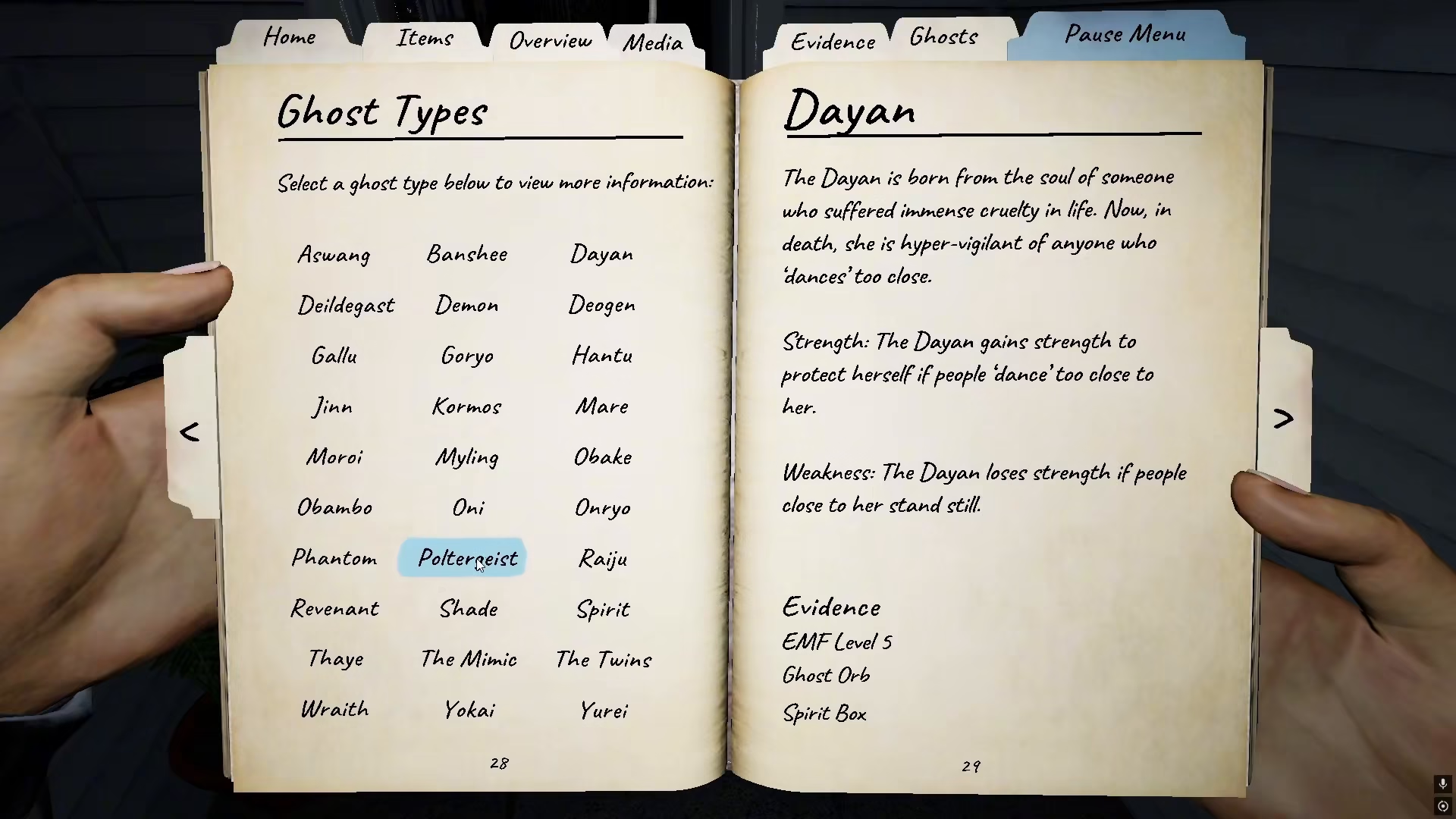
Revenant
Revenant becomes extremely fast as soon as he has line of sight with you. Once the Revenant spots a player, his hunting speed increases dramatically, making this a defining characteristic.
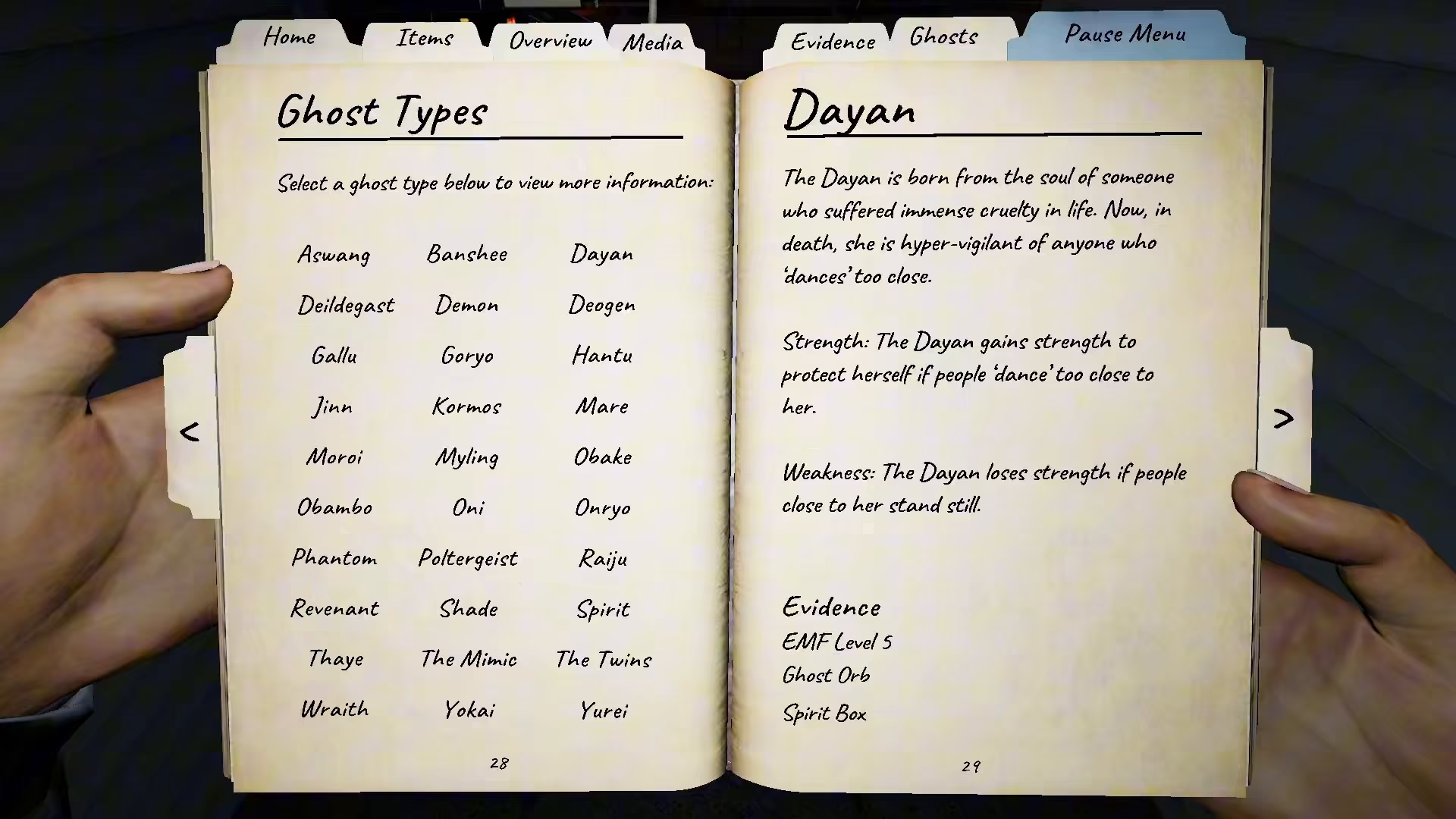
Shade
Shade is a shy ghost type that avoids direct confrontation and interaction with players. This ghost’s cautious behavior distinguishes it from more aggressive counterparts.
The Twins
The Twins exhibit a distinctive behavior: they produce two ages on the Ouija board. This double-reading is a reliable identifier for this ghost type.
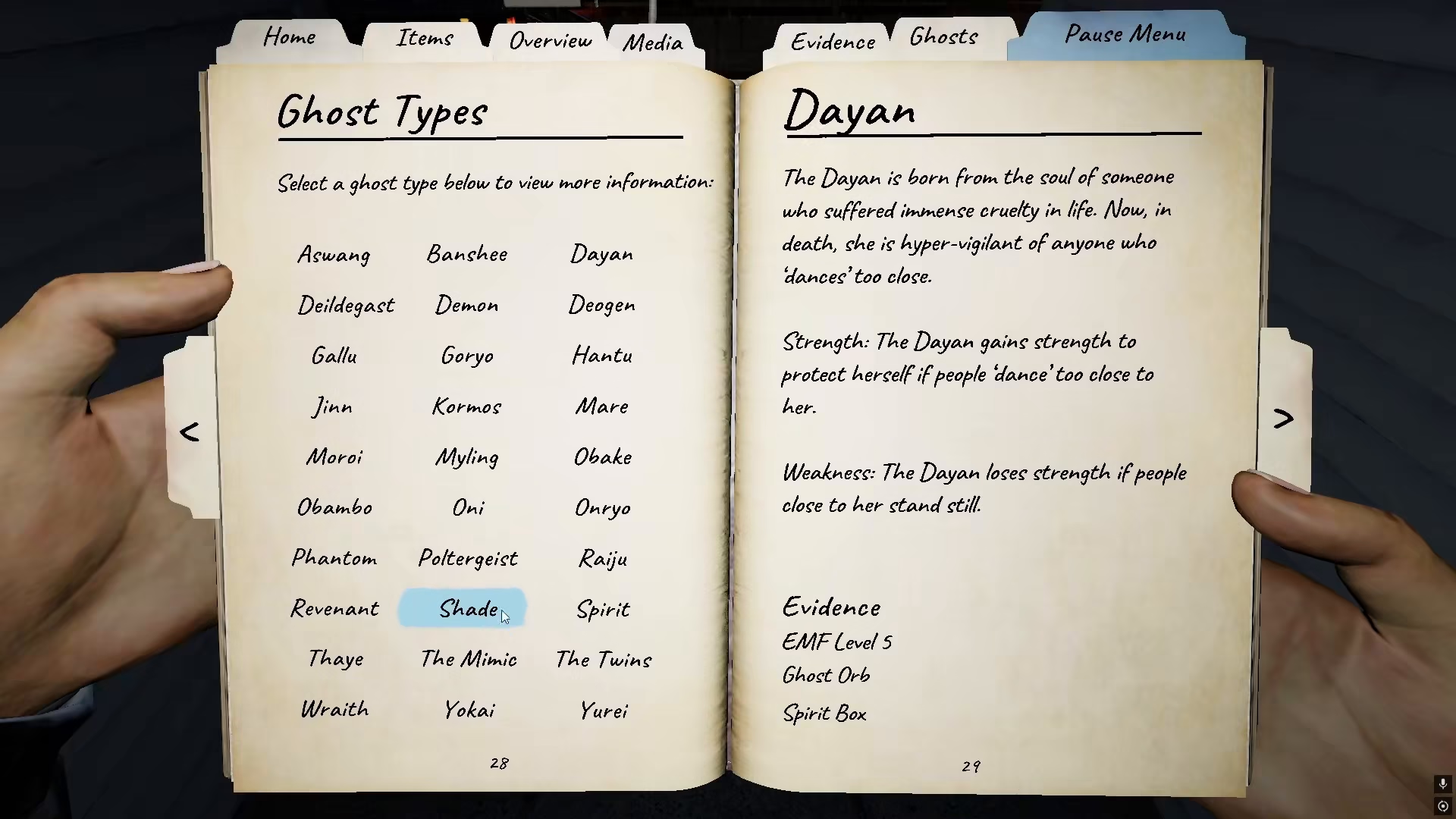
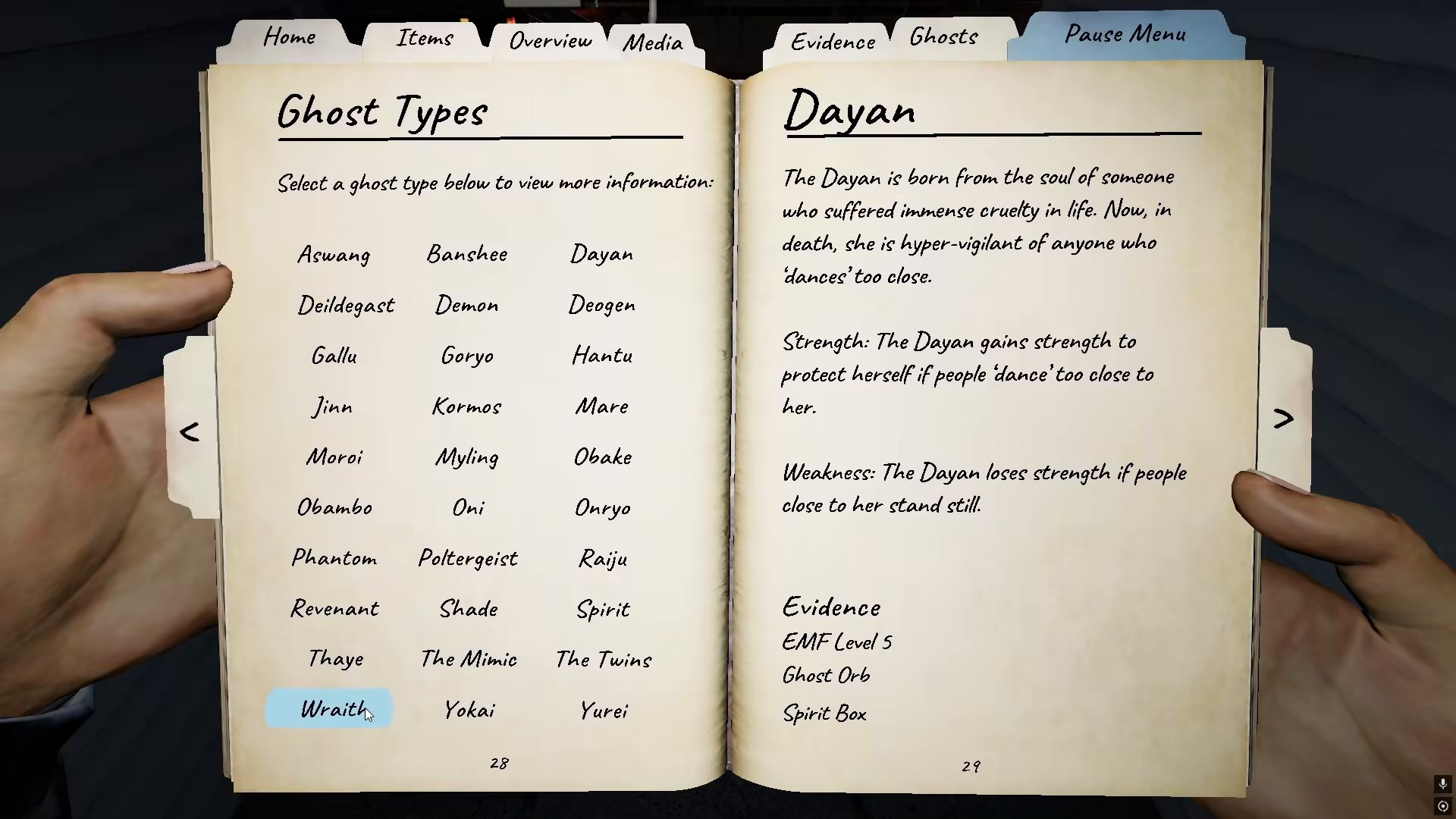
Wraith
Wraith possesses the unique ability to move through walls and other solid objects, giving him exceptional mobility compared to other ghosts in Phasmophobia.
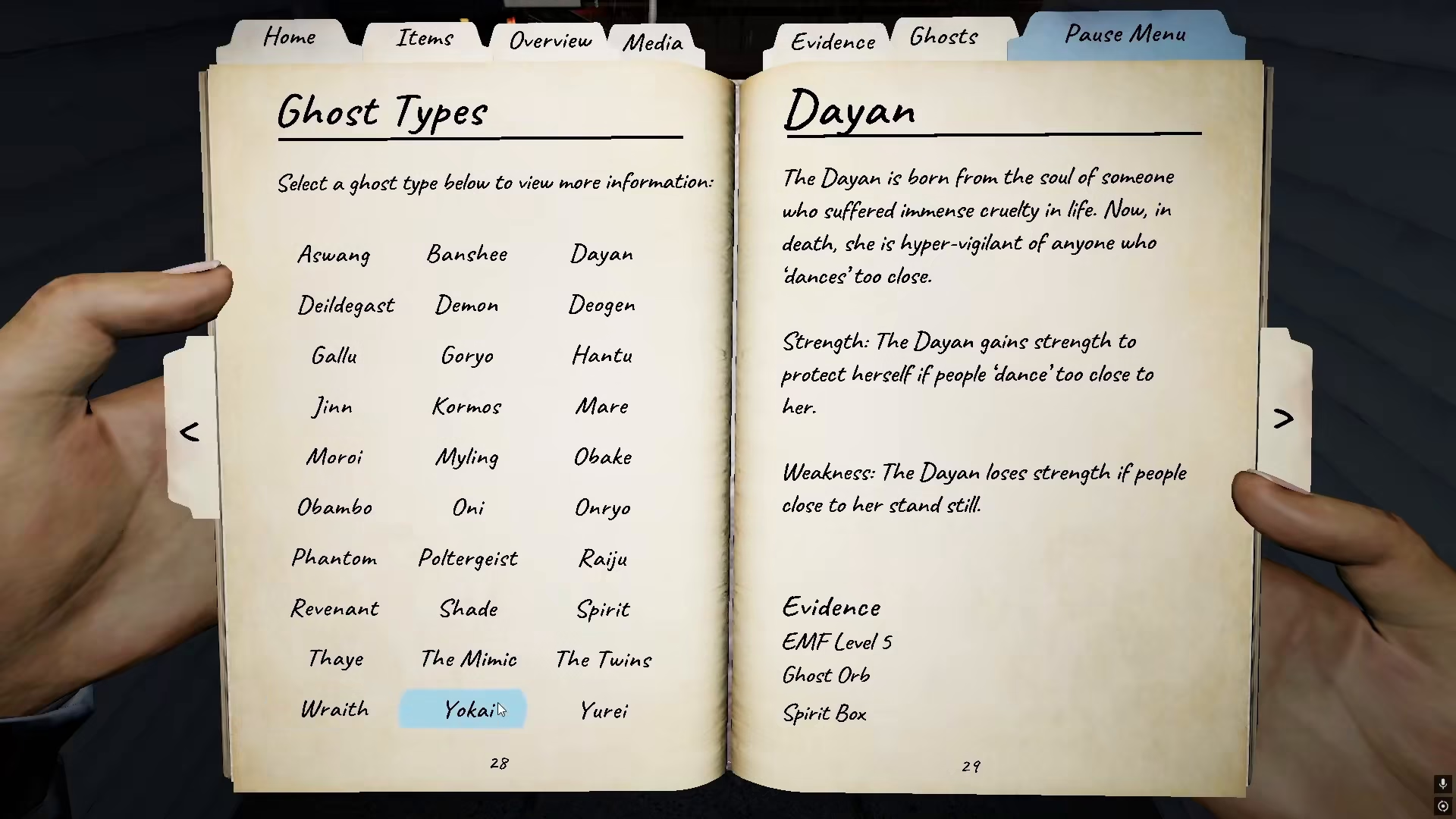
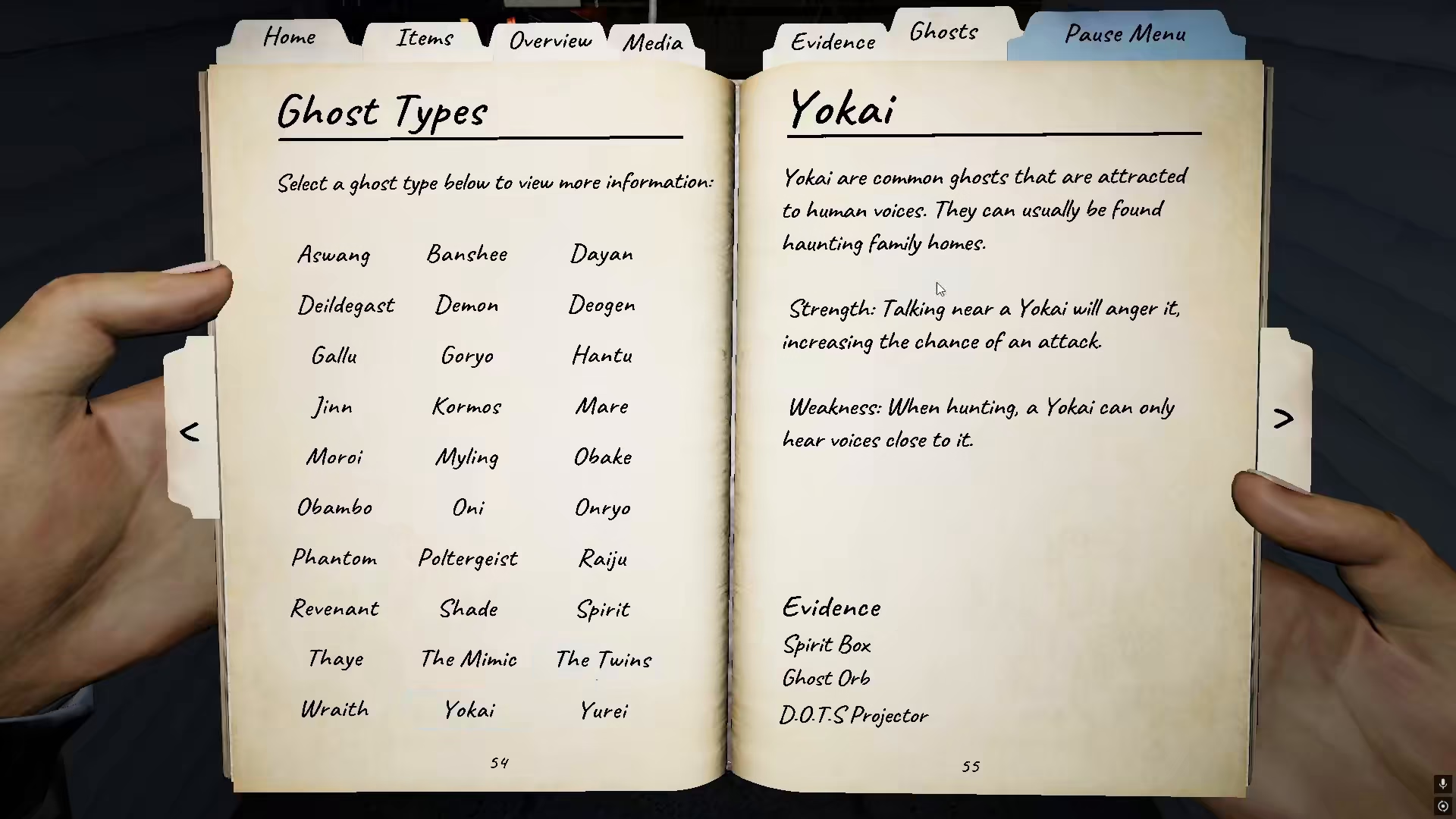
Yokai
Yokai is a deaf ghost, meaning he does not respond to sound-based stimuli. This behavioral difference is a key testing method for identifying a Yokai.
Yurei
Yurei is extremely interactive with doors, constantly opening and closing them throughout the investigation. This compulsive door interaction is a defining characteristic that makes Yurei easy to identify.
Mimics
Mimics always have ghost doors, and they are known to mimic the behavior of other ghosts. Their tendency to replicate other ghost types makes them particularly challenging to identify.
Salt and Raiji
Raiji has a specific weakness: he will not step on salt. This behavioral avoidance can be used as a testing method to confirm a Raiji’s presence.
Summary
Each ghost in Phasmophobia displays unique behavioral traits that allow skilled investigators to identify them without relying solely on collected evidence. By observing movement patterns, speed variations, environmental interactions, and ghost events, you can confidently determine which ghost you’re hunting. Practice these testing methods to improve your investigation efficiency and success rate.
Want to Support?
If you would like to help us continue making these guides – please consider joining our patreon here – https://www.patreon.com/c/JaviHeals
Alternatively – you can join our discord here – https://discord.gg/zD7Gjt6MHF