





How to Counter Looping In Dead by Daylight
How to Counter Looping in Dead by Daylight: A Killer’s Guide
Looping is one of the most fundamental aspects of Dead by Daylight gameplay, and mastering counter-looping techniques can drastically improve your performance as a killer. This guide will walk you through essential strategies, mind games, and tile knowledge that will help you win chases and counter survivor looping tactics effectively.
Understanding Natural Loop Counter Killers
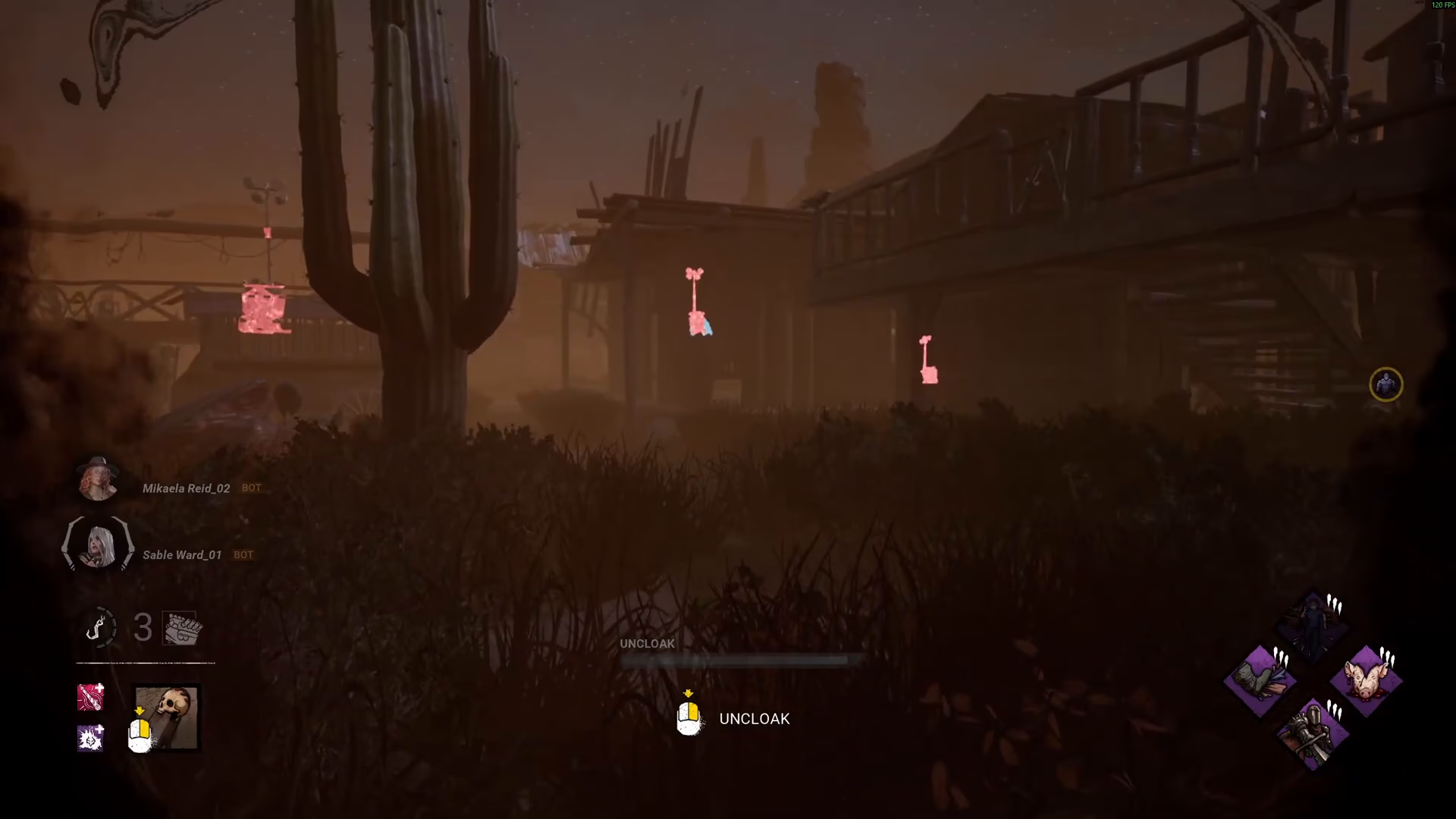
Certain killers have built-in mechanics that naturally counter looping without requiring special techniques. Spirit, Nurse, and the Dark Lord are prime examples of killers with inherent anti-loop gameplay. The Nurse’s blink ability and Spirit’s speed combined with invisibility allow them to function effectively against loopers by design, without even trying.
The Importance of Game Knowledge and Mind Games
Looping success comes down to mind games and understanding what plays are available in each tile. Dead by Daylight is fundamentally a game where knowledge and game sense reign supreme—whoever possesses more of both will almost always come out on top.
Tile Knowledge and Resource Awareness
You need to be vaguely aware of what each tile contains: where windows spawn, where pallets typically appear, and how these elements interact. If you’ve already chased a survivor through an area and depleted its resources, pushing another survivor through the same tile gives you a significant advantage because they’ll have fewer options to escape.
Information Management and Killer Tells
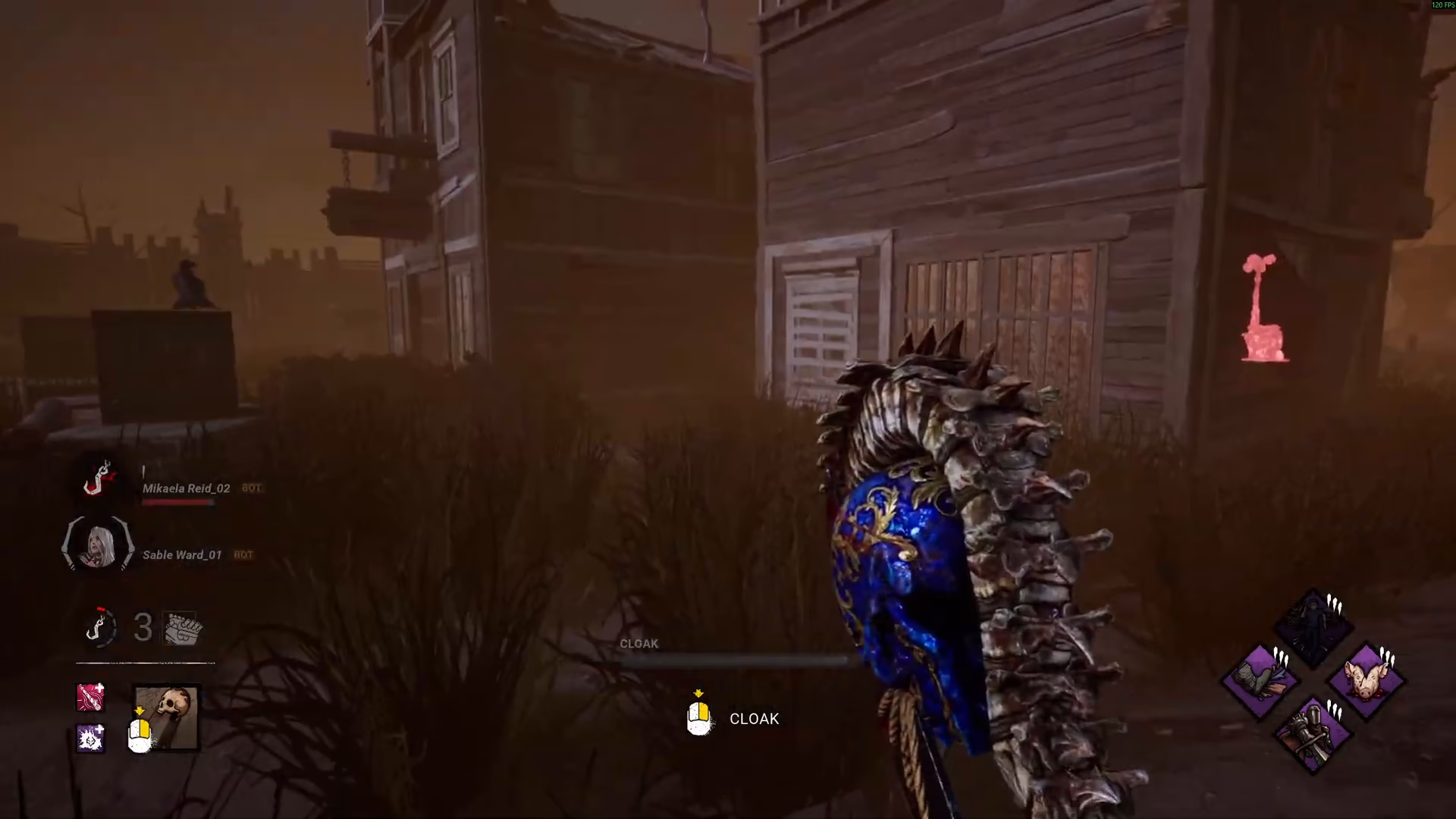
As a killer, be mindful of the information you leak to survivors. Your footsteps, red light aura, heartbeat, and terror radius all provide survivors with critical data to inform their decisions.
Killer-Specific Audio Cues
Different killers broadcast different information. For example, Blight is currently running a Silent Bell, but normally runs in Bung form which is auditory. Experienced survivors will recognize these audio cues and adjust their behavior accordingly—they’ll know to listen for the sound again before they need to worry. Chase music is another critical indicator; survivors know they haven’t received entity boosts until chase music starts.
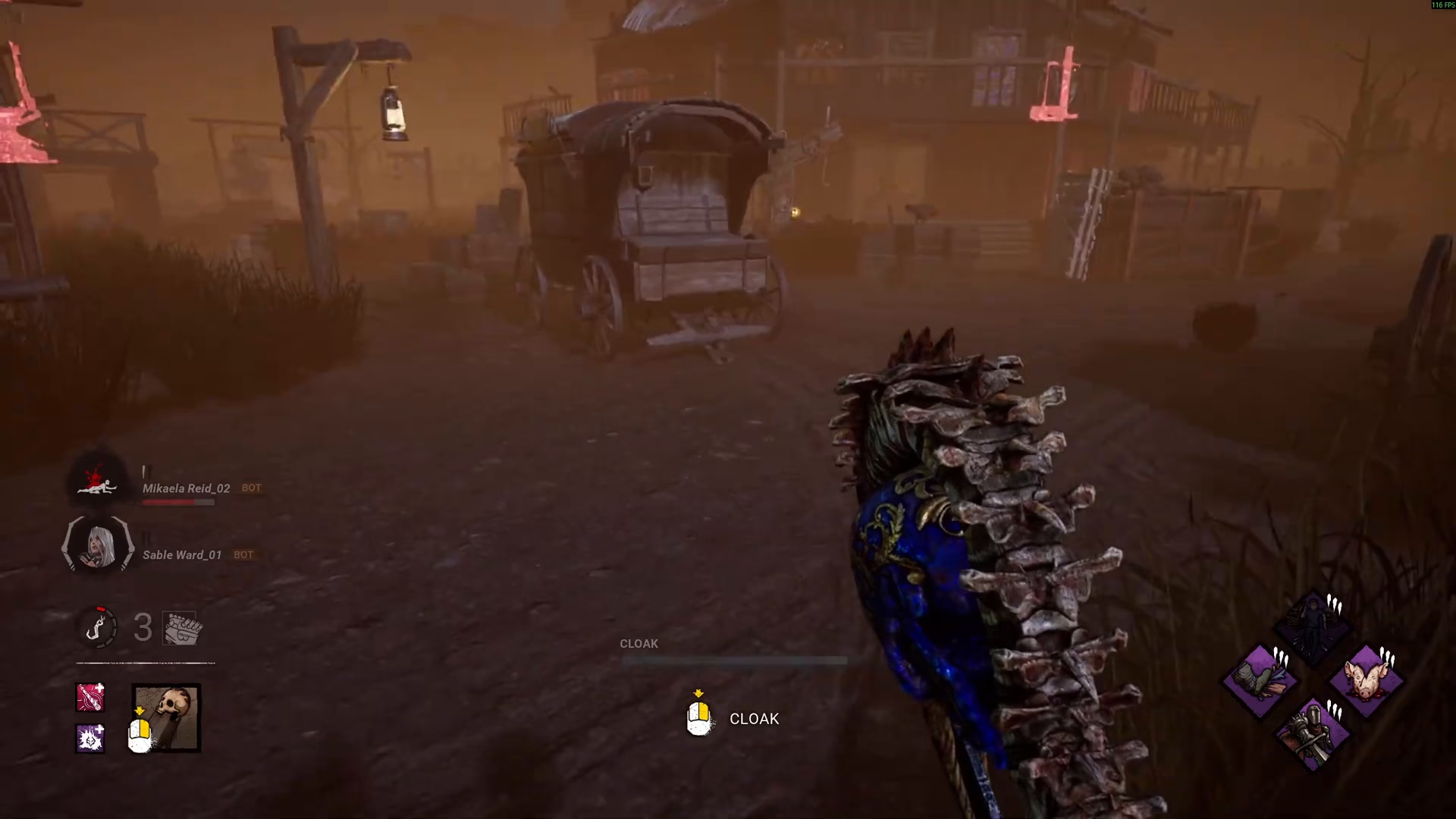
The more information you can extract from any given source, the better judgments you’ll make and the better chases you’ll execute.
Core Looping Counter Strategies
Killer Movement Speed Awareness
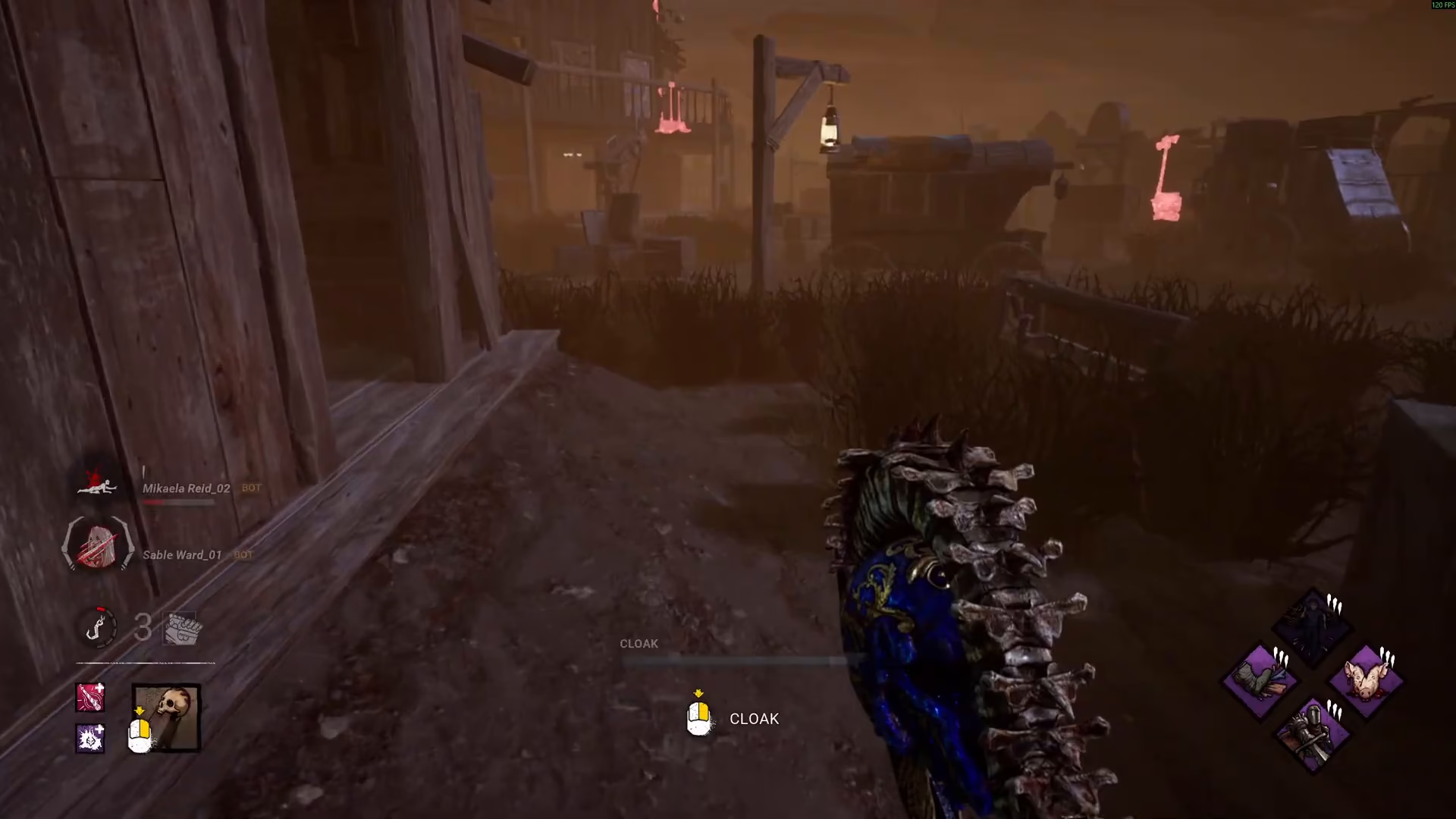
Different killers have different movement speeds. Huntress moves at 4.4 meters per second, while Blight moves at 4.6 meters per second. While this may seem like a small difference, it makes a significant impact. Killers with lower base movement speed typically have other answers—whether it’s a different state that covers terrain faster or extended range abilities.
Red Light Mind Games
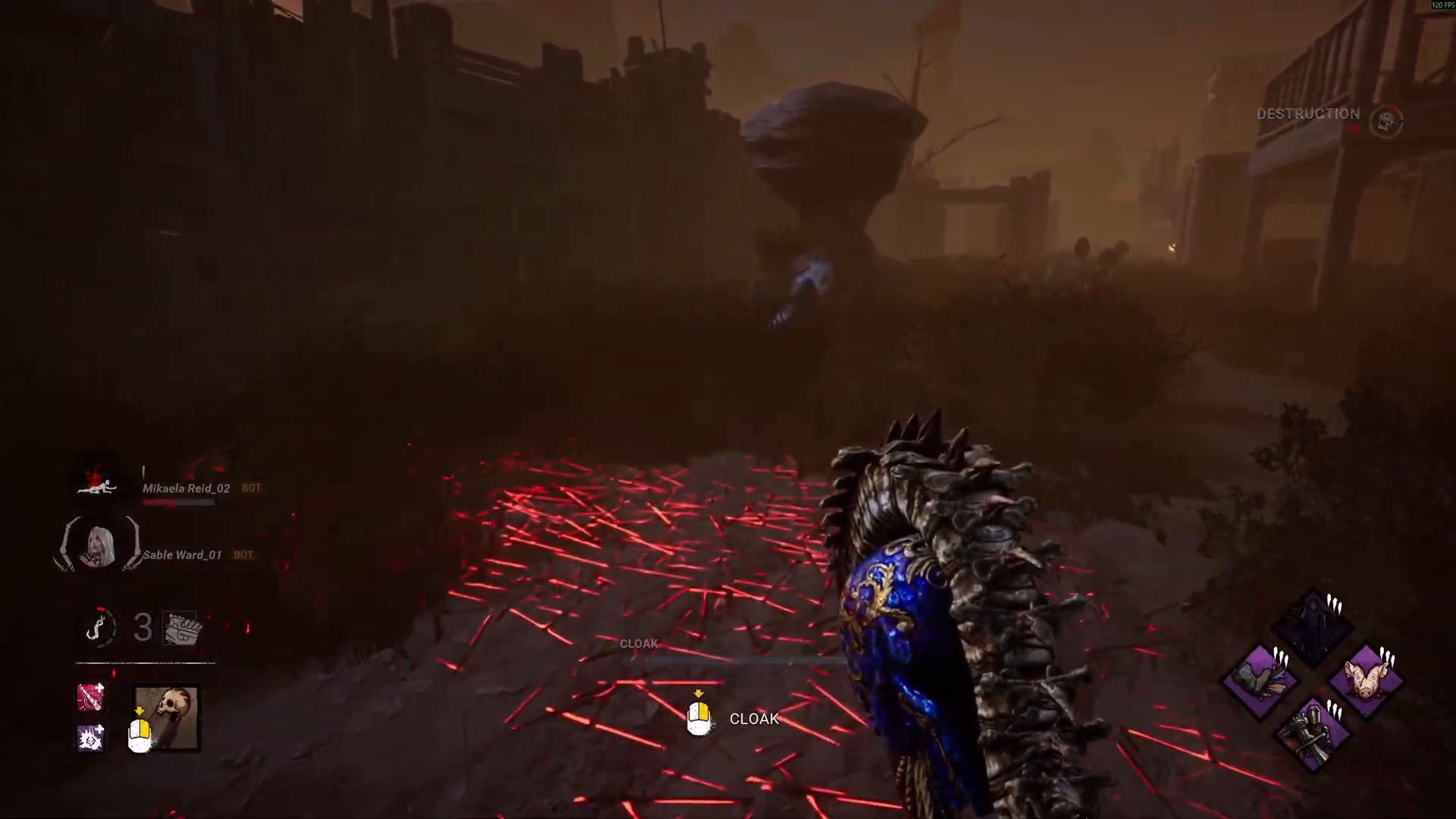
Your red light aura is one of the most visible tells survivors have about your position. A fundamental mind game involves facing your red light one direction while moving another. Walk backwards and flick to attack an unexpected survivor who wasn’t anticipating your actual position. Since survivors rely heavily on your red light to adapt to your movements, delaying that information can throw them off spectacularly.
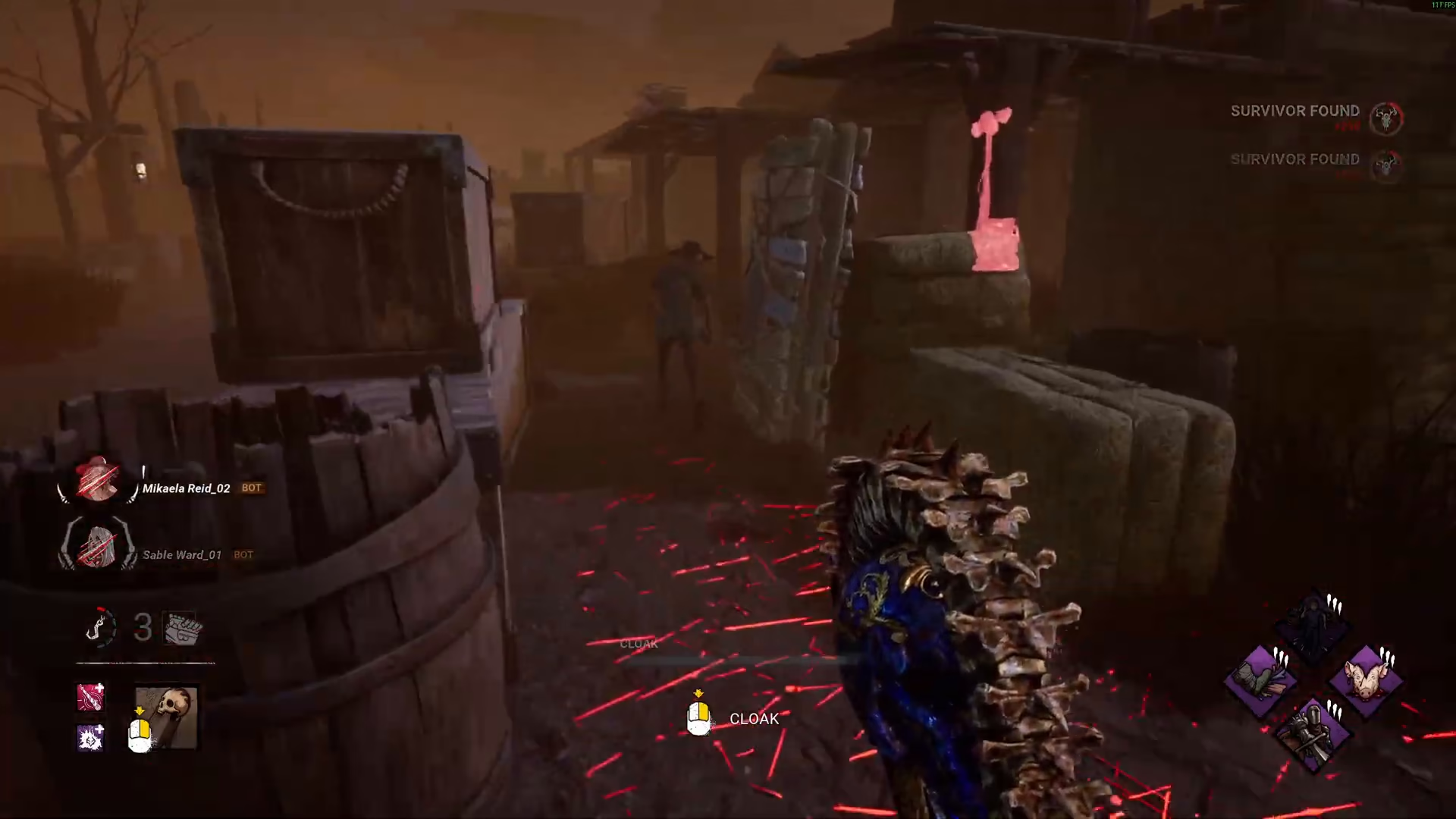
If survivors don’t see your red light until the last second, they won’t have time to react to your true movements.
Mind Games Take Practice
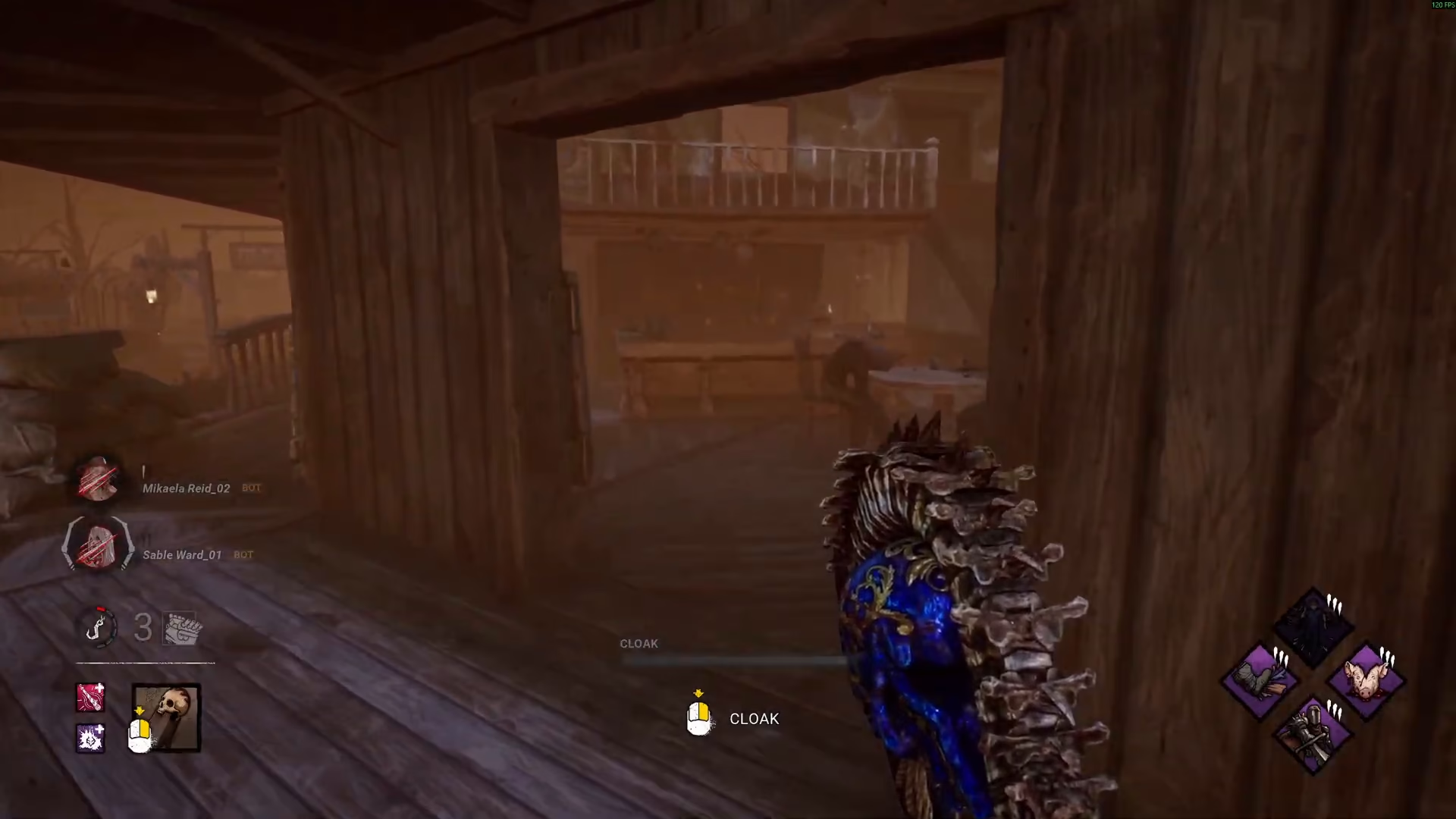
It’s important to understand that mind gaming effectively isn’t something you’ll master overnight. It requires consistent practice and game awareness. Sometimes, mind games simply aren’t worth attempting—especially when you’re still getting comfortable with a killer.
Countering Shack Loops
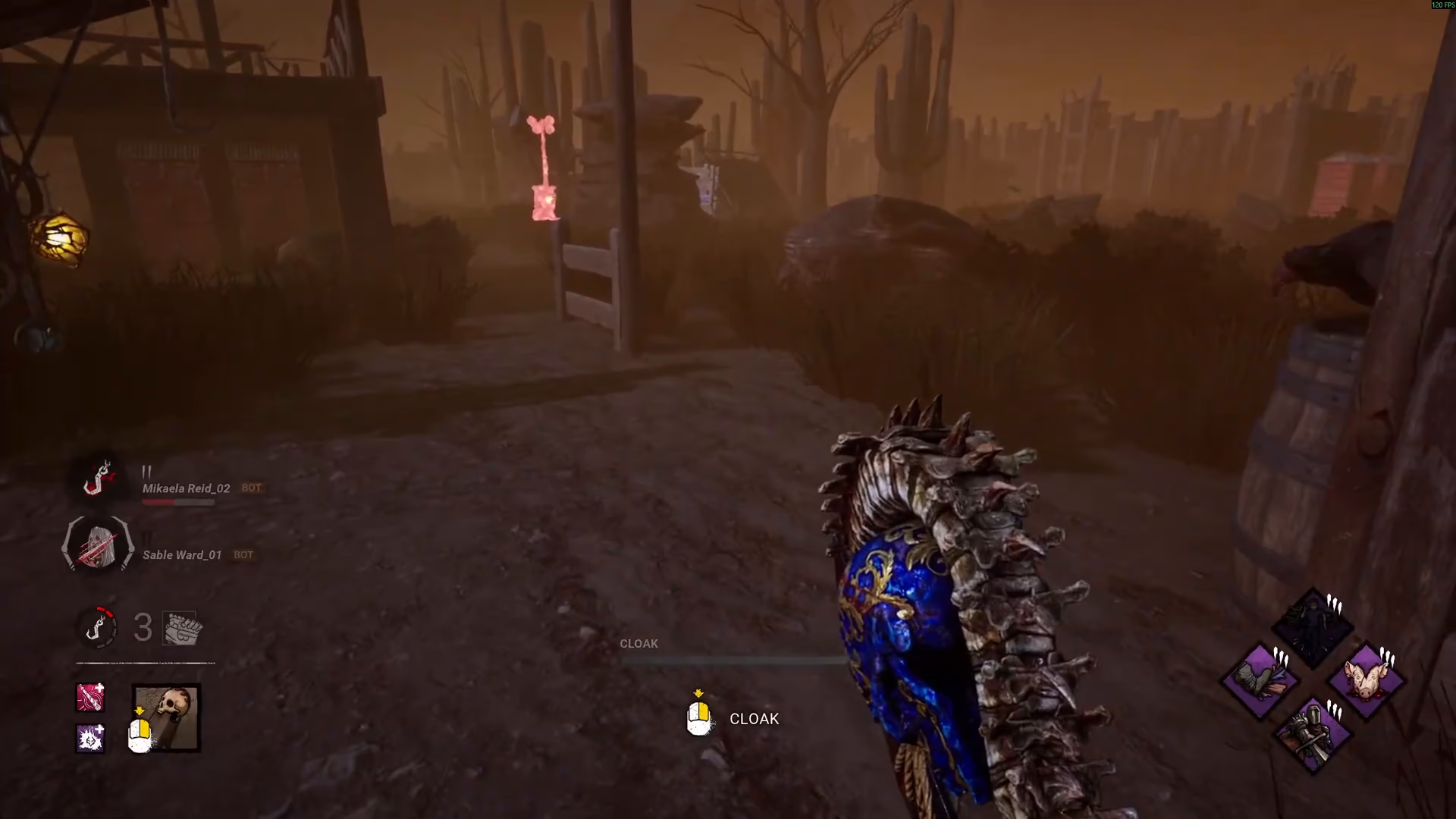
Shack is a powerful survivor-sided tile that deserves special attention. When a survivor runs into Shack with the pallet still standing and a window nearby, they can waste enormous amounts of time. Your goal should be to force survivors to pop the Shack pallet early—even if it means giving them a free stun, eliminating this pallet significantly weakens the tile.
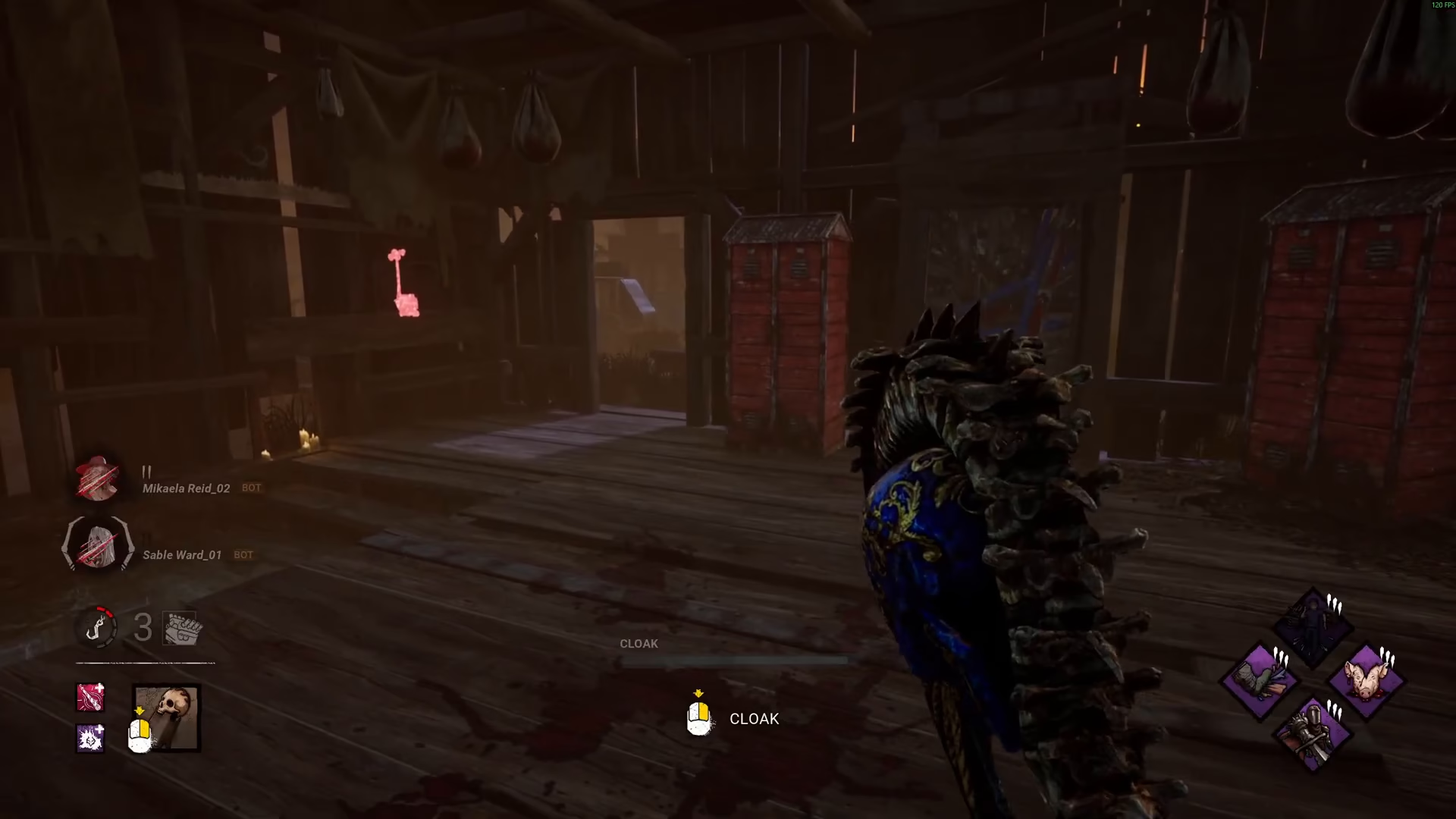
Why Shack is Dangerous
Once a survivor has access to the Shack pallet, they can slam it down and position themselves strategically. If you walk around, they respond by moving. If you attempt to break the pallet, they step back. This dynamic gives survivors complete control and unlimited time to respond to your decisions.
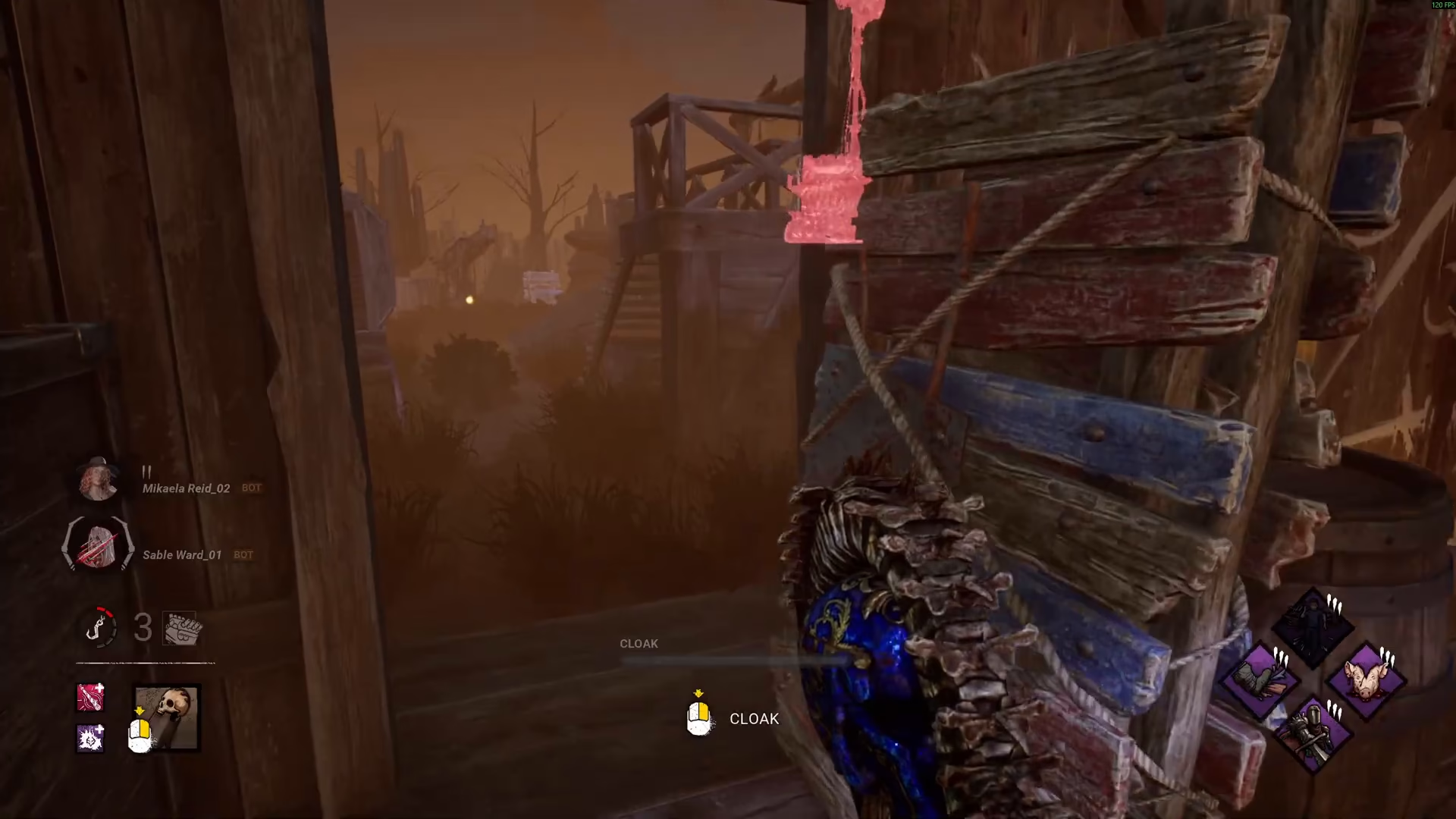
Check Spots and Camera Flicking
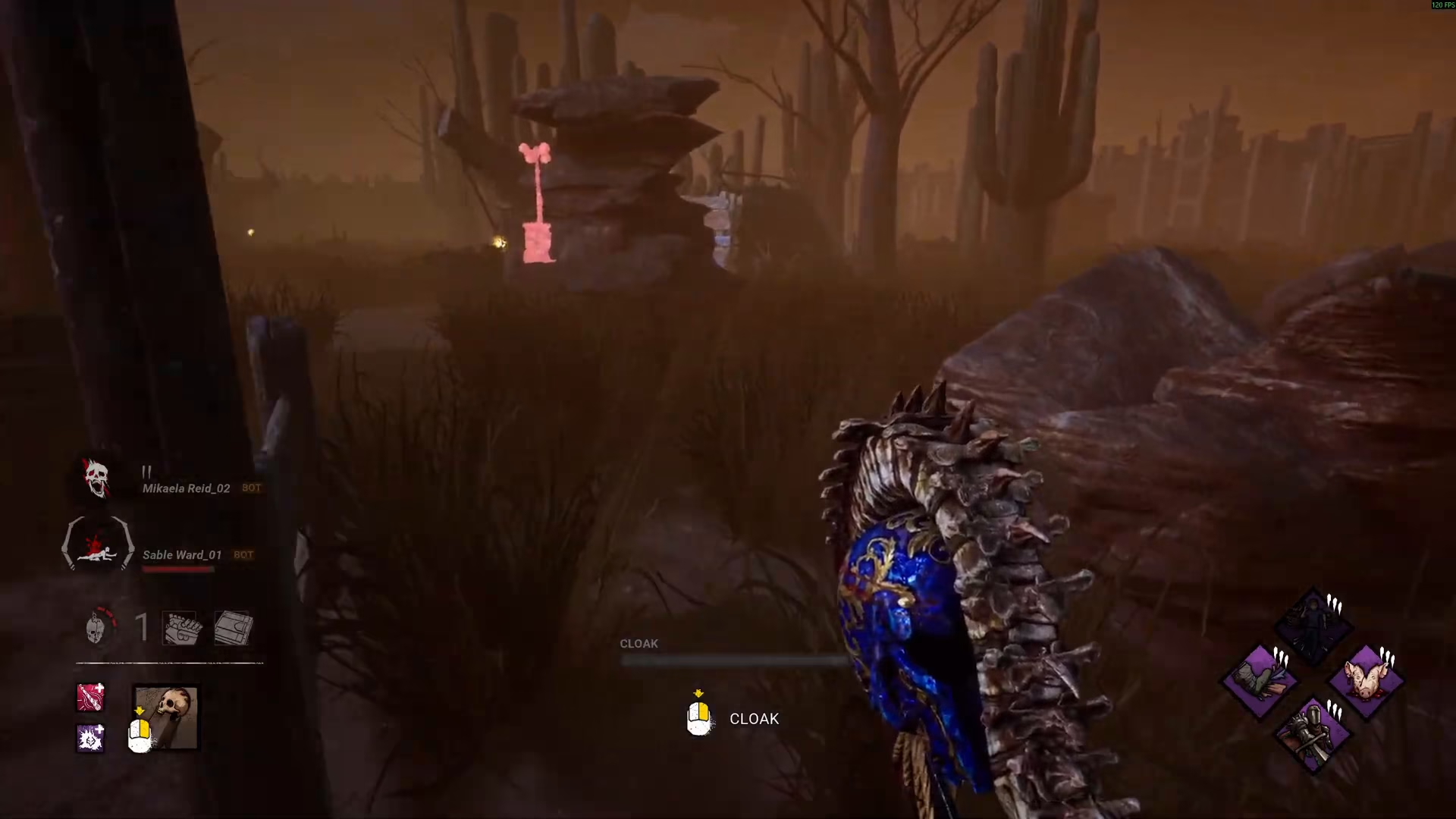
Many loops, especially Shack, feature check spots where survivors can hide and use their third-person perspective to see around corners. They can spot your red light around a bend and adjust their positioning accordingly. Flicking your camera around delays their decision-making for another critical second, forcing them to react without full information.
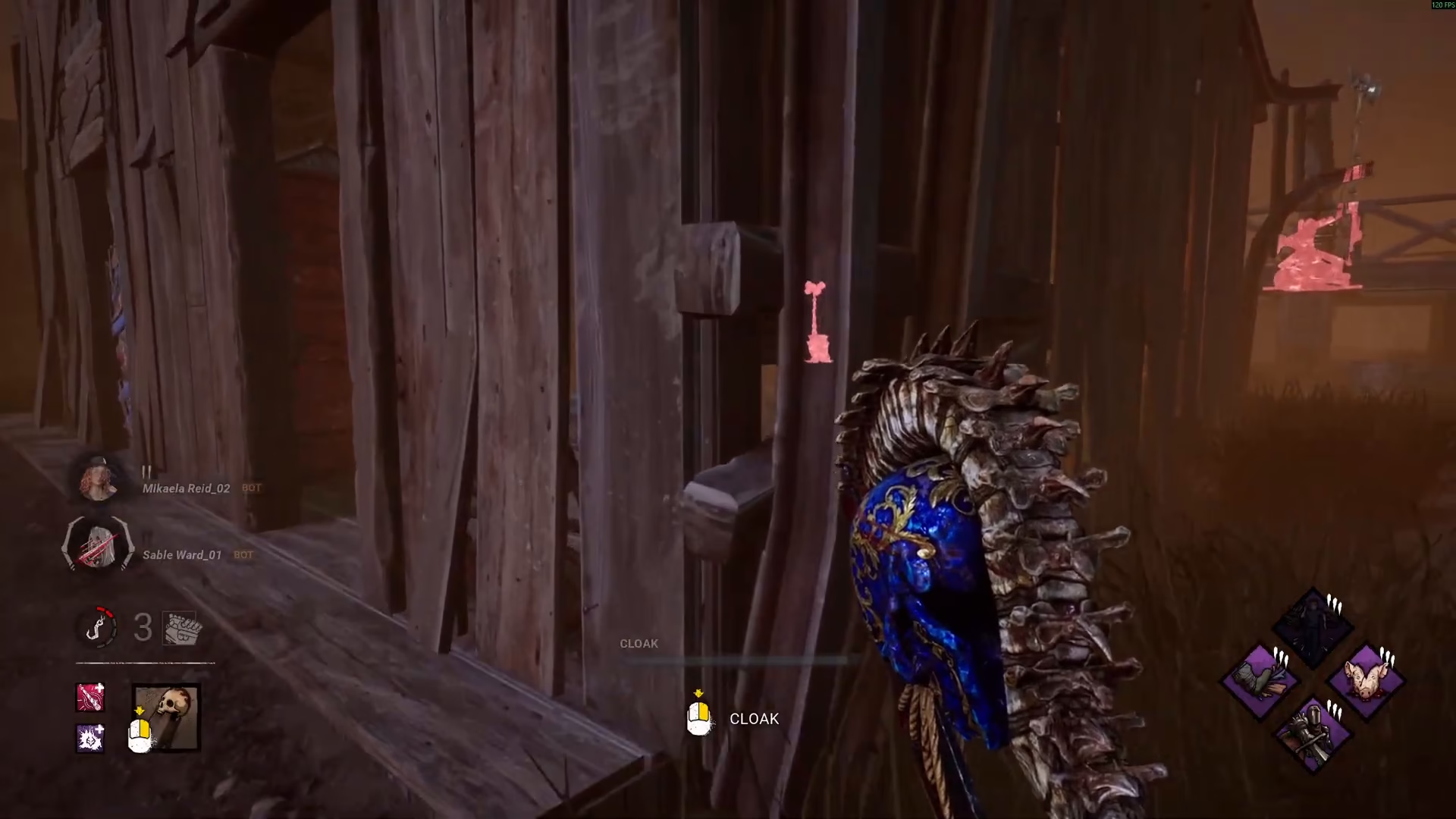
Survivors can even look through wooden planks to track your position, so camera flicks are essential for keeping them off-balance.
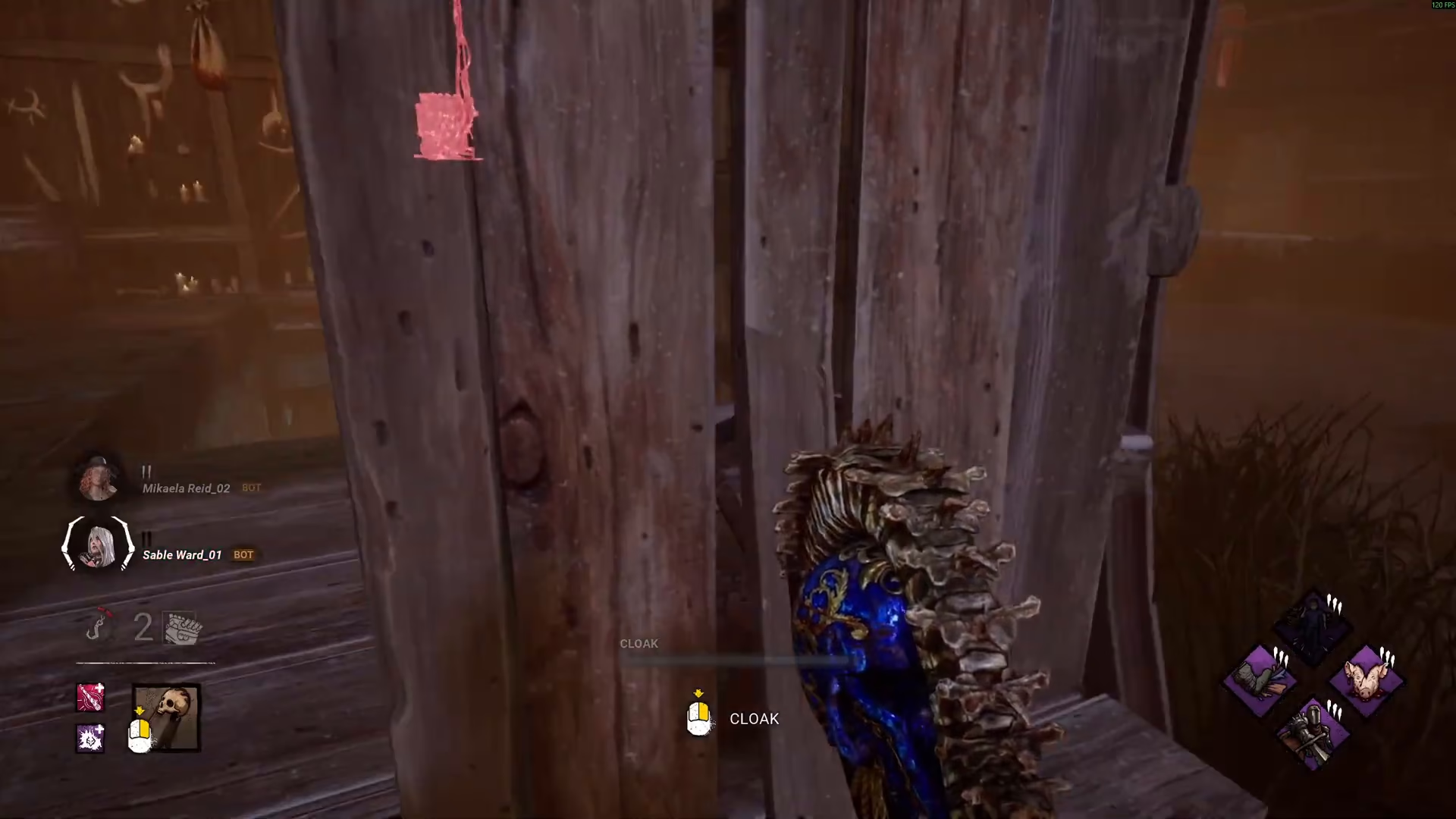
Short Side vs. Long Side Shack Tactics
Shack survivors typically have two looping strategies. They can run the short side for a fast vault loop, or attempt the long side if they have adequate time. The long side is riskier, especially against speed killers with active terror radius, so most survivors prefer the short side fast-vaulting loop.
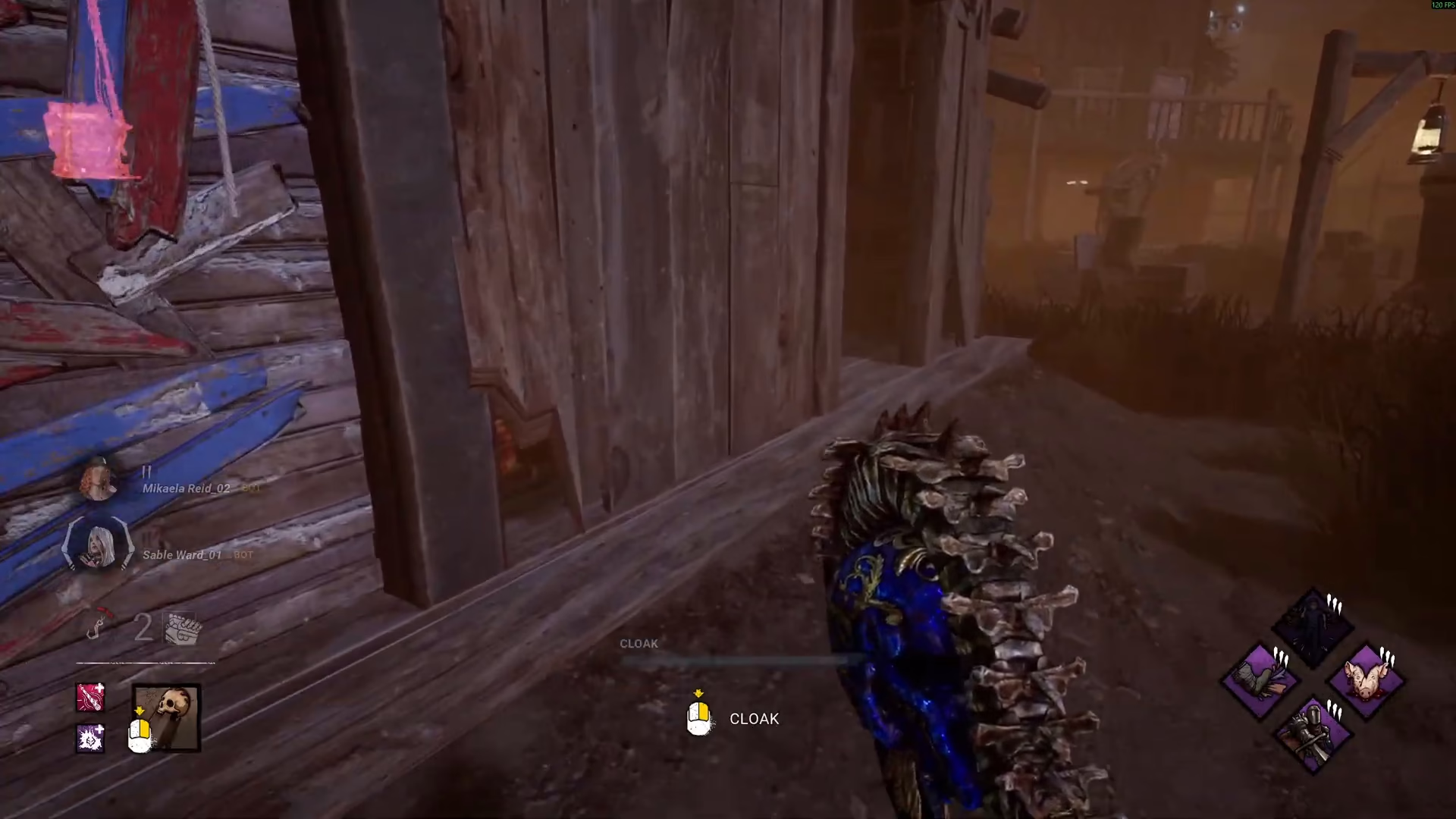
A decent survivor can squeeze 30 to 50 seconds or even more out of Shack, depending on mistakes made and how well they time their pallet usage. If you commit to chasing someone through Shack, be fully prepared for an extended chase.
Tile Structure Knowledge
Short Walls vs. Long Walls
Understanding tile structure is crucial for effective looping. Short walls are less safe for survivors because you can burn through them quickly without giving survivors much time to react. If you know a pallet spawns with a short wall, you can force an early drop or catch the survivor before they have escape options.
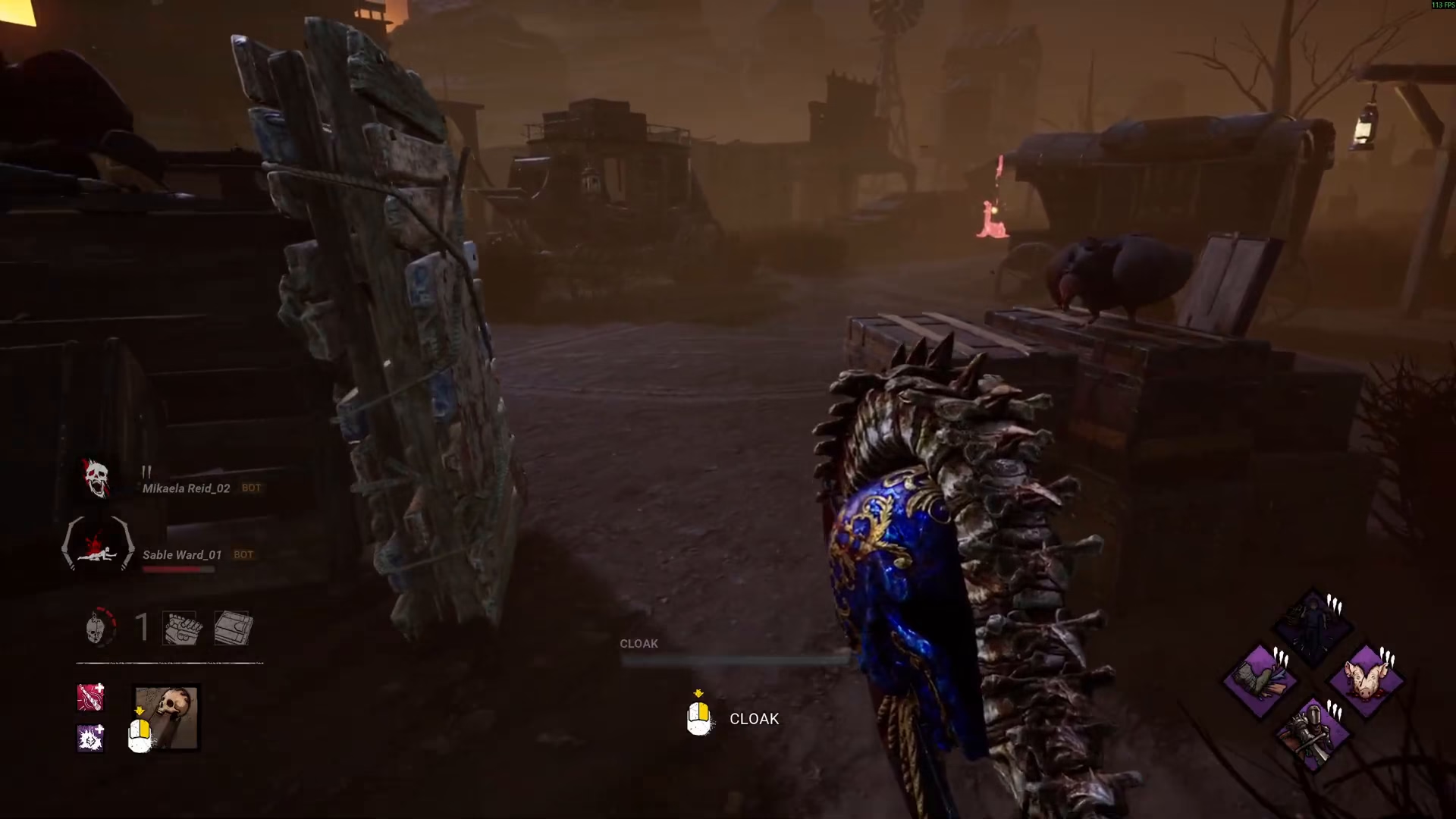
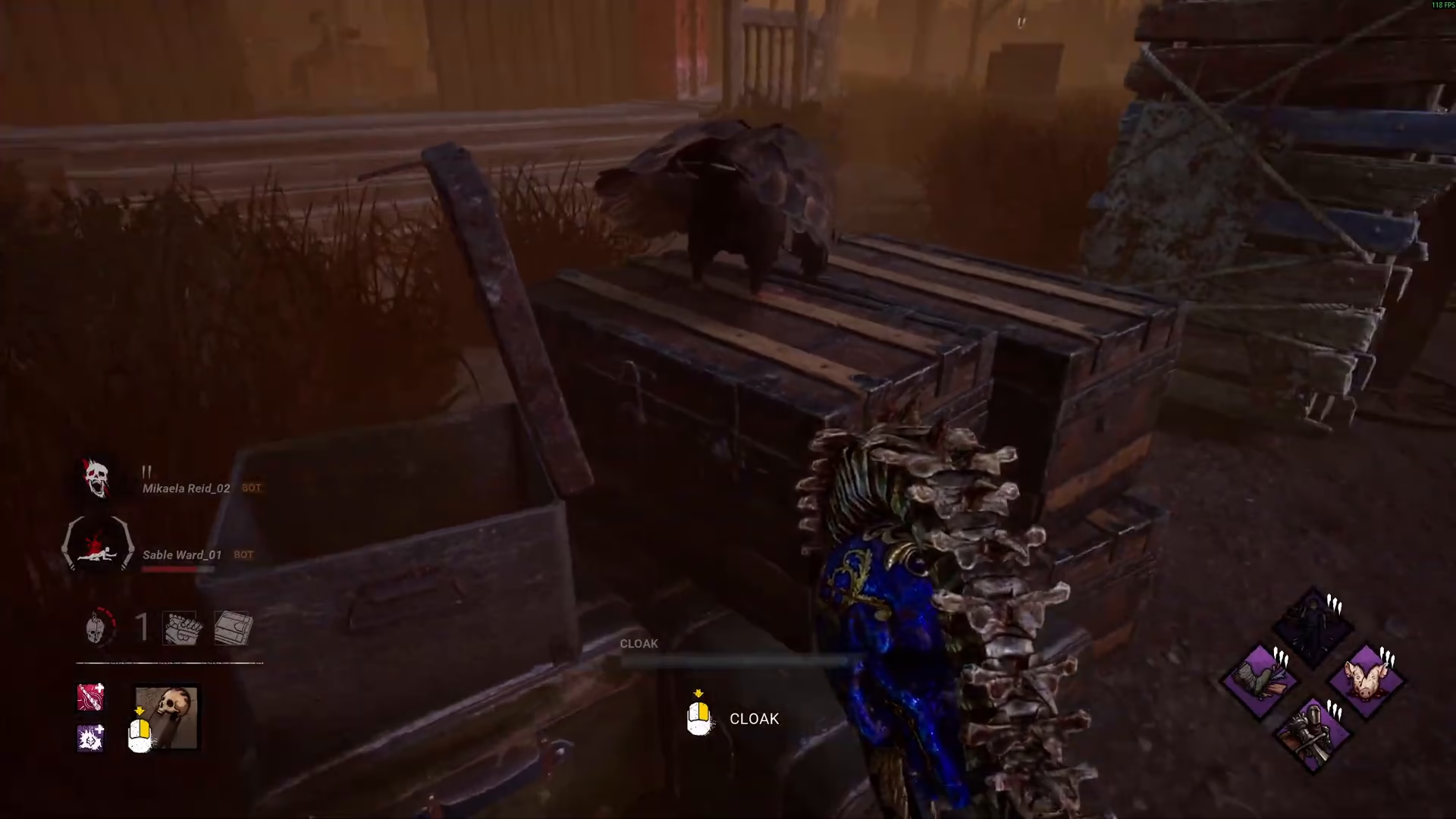
Long walls are more dangerous for killers because they give survivors ample space and time to react to your decisions. Survivors will typically try to get you to commit inside a long wall before dropping the pallet, maximizing their safety.
Faking Out Survivors at Loops
When approaching the internal portion of a long-wall loop, try to fake survivors out and see if you can bait them into dropping the pallet prematurely. This requires reading their behavior and understanding their tendencies.
Reading Survivor Habits and Building Game Sense
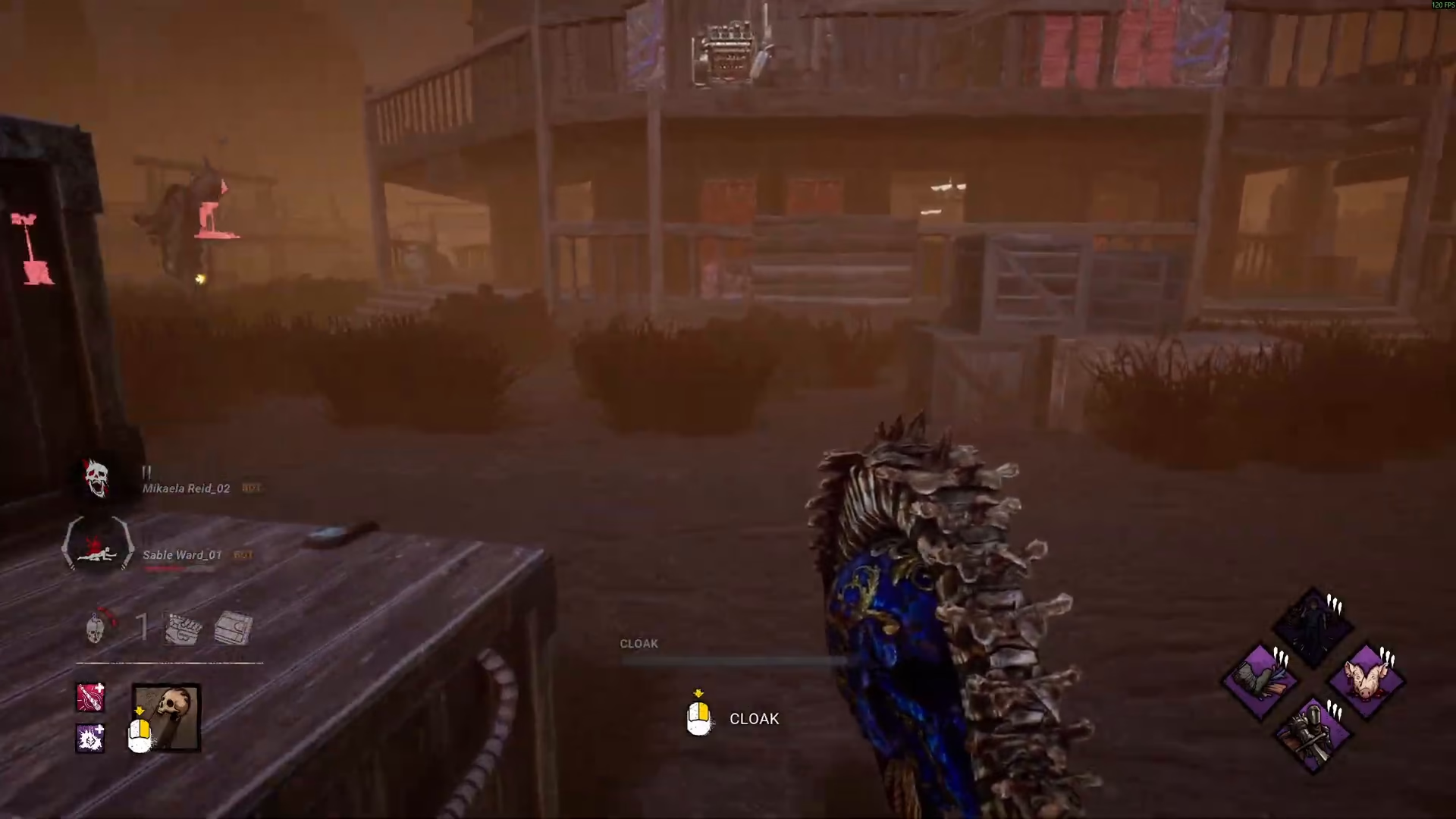
Pay close attention to individual survivor habits. Ask yourself: Are they pre-dropping pallets? Are they waiting for you to commit before stunning you? Do they tend to use flash lights? Do they attempt to pick up every available tile?
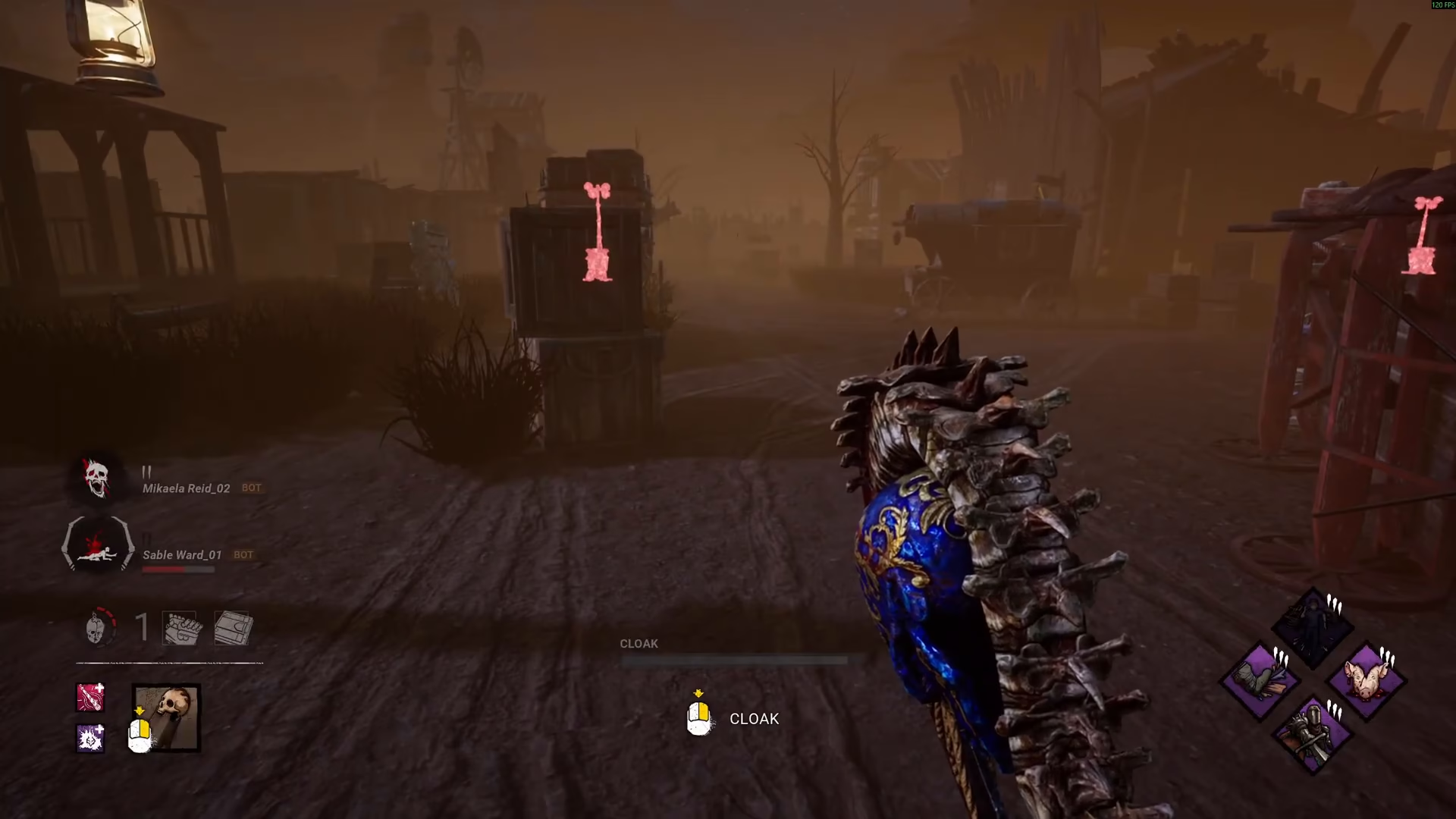
By observing these patterns, you’ll slowly build a repertoire of understanding that allows you to win more loops and successfully navigate 50/50 scenarios. The more you understand about your opponents’ play styles, the better equipped you’ll be to counter their looping strategies.
Summary
Countering looping in Dead by Daylight boils down to three fundamental pillars: knowledge (understanding tile layouts, pallet spawns, and killer mechanics), game sense (reading survivor behavior and adapting your strategy), and practice (refining your mind games and chase execution). Master these elements, and you’ll find yourself winning significantly more chases against loopers of all skill levels. Remember that Dead by Daylight is fundamentally a game of information and decision-making—whoever controls the information flow controls the chase.
— Want to Support? —
If you would like to help us continue making these guides – please consider joining our patreon here – https://www.patreon.com/c/JaviHeals
Alternatively – you can join our discord here – https://discord.gg/zD7Gjt6MHF